- Item


HEALTH
Mamprugu-Moagduri Faces Health Infrastructure Gap Amid Growing Demand for Quality Care
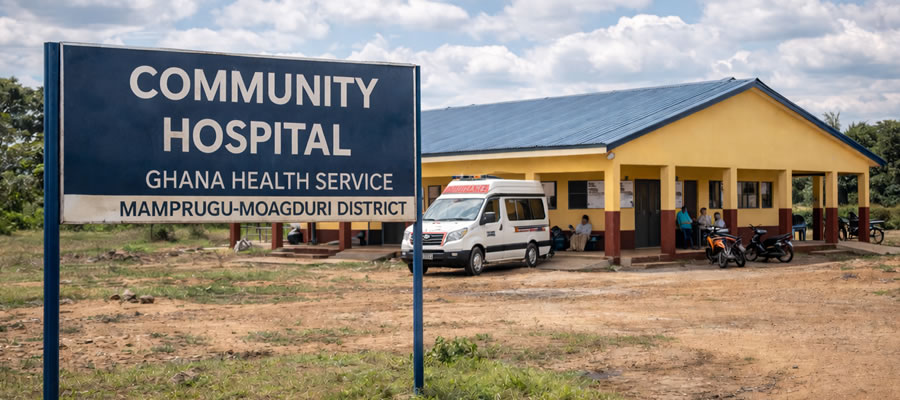
Access to quality healthcare remains a pressing challenge in the Mamprugu-Moagduri District, as authorities intensify calls for urgent investment in health infrastructure and critical medical personnel.
Date Created : 11/19/2025 : Story Author : Mary Ayertey/Ghanadistricts.com
Policy decisions in the district’s health sector have been shaped by key development concerns, notably limited access to quality healthcare services, the absence of critical health professionals, and inadequate infrastructure. The situation is further compounded by the lack of a satellite office of the National Health Insurance Authority (NHIA), forcing residents to travel long distances to access health insurance registration and related services.
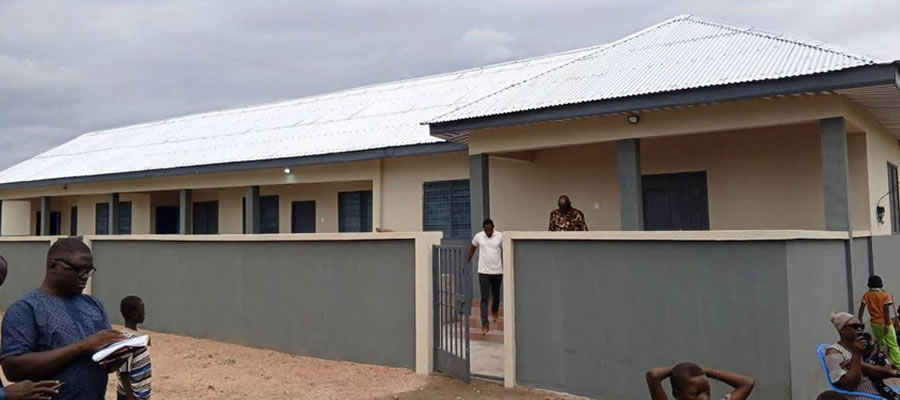
The district currently has no hospital, relying instead on a modest network of facilities that remain insufficient to meet the healthcare demands of the population. Available facilities include five (5) Health Centres, seven (7) CHPS compounds, and eight (8) CHPS zones without compounds.
Despite the presence of these facilities, staffing remains a major concern. The district suffers from an acute shortage of essential personnel, including doctors, physician assistants, midwives, pharmacy technicians, laboratory technicians, and staff nurses. The existing staff mix is described as inadequate and inappropriate to effectively respond to the growing health needs of residents.
Health observers note that while efforts continue to improve service delivery, the overall infrastructure and human resource capacity in the district remain undesirably low, affecting timely and quality healthcare provision.
Stakeholders are therefore advocating for the establishment of a district hospital, recruitment of critical health professionals, and expansion of infrastructure — including an NHIA satellite office — to bridge the healthcare gap and improve health outcomes in Mamprugu-Moagduri.
As the district pushes for equitable access to healthcare, addressing these systemic gaps remains crucial to safeguarding the well-being of its people and accelerating socio-economic development.
Other Stories






GoG Portal
Local Gov Ministry
Int of Local Gov Studies
Ministry of Information
Local Gov Service
Ghana MPs
Ghana Hospitals
NALAG
Local Gov Ministry
Int of Local Gov Studies
Ministry of Information
Local Gov Service
Ghana MPs
Ghana Hospitals
NALAG
 facebook
 X
X
 Youtube
 instagram
 whatsapp
 +233 593 831 280
+233 20 230 9497
+233 593 831 280
+233 20 230 9497 0800 430 430
 GPS: GE-231-4383
 info@ghanadistricts.com
 Box GP1044, Accra, Ghana