- Item


GENERAL
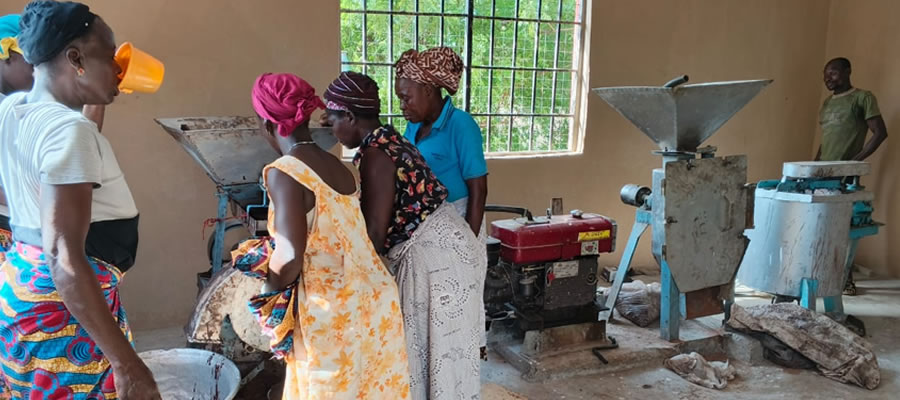
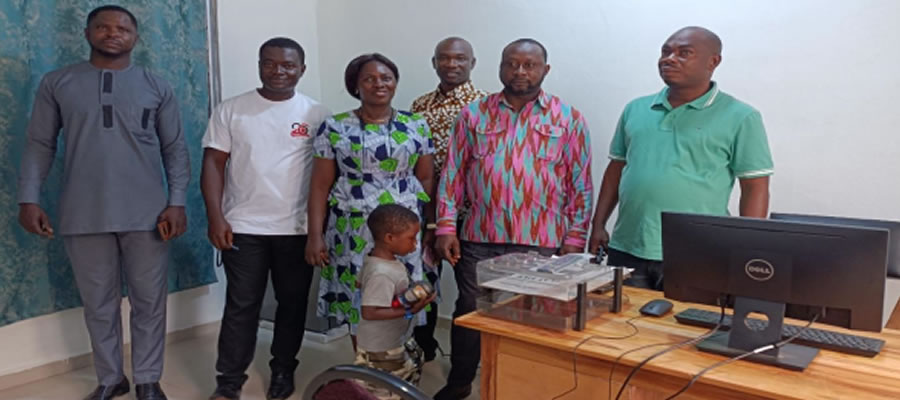
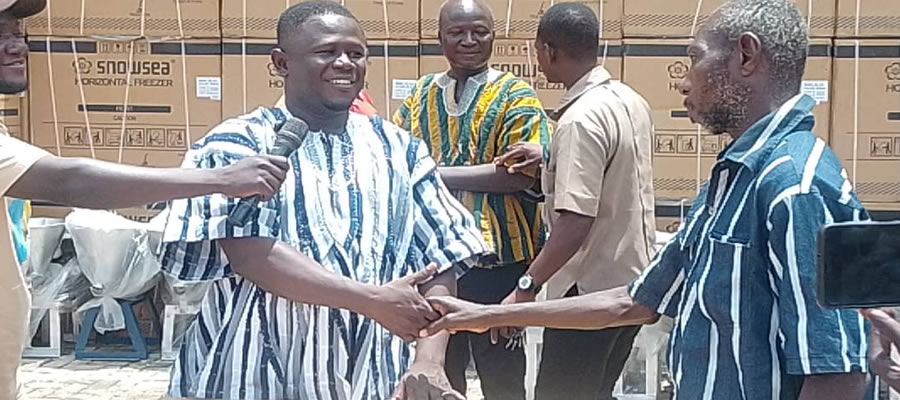
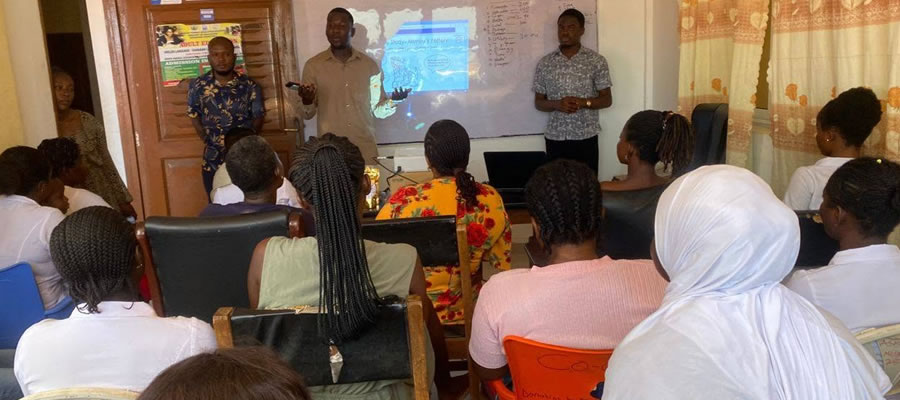
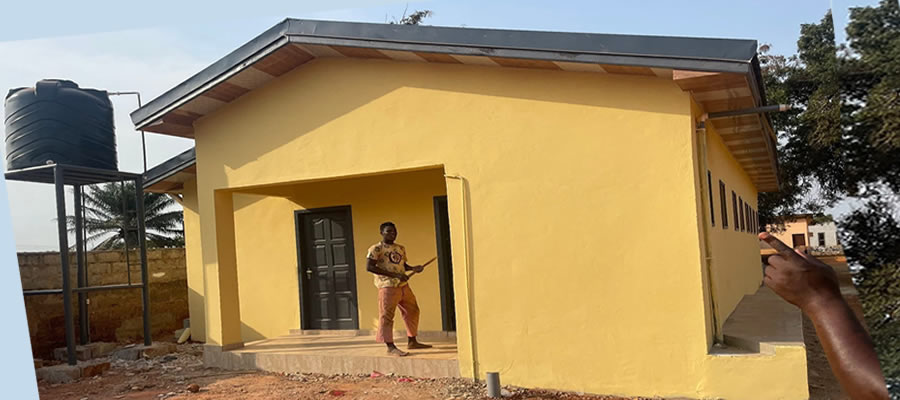
Serekpere Women’s Group Receives Shea Processing Plant
Date Created : 5/11/2026 : Story Author : Philip Tengzu/Ghanadistricts.com
The facility is expected to reduce the burden associated with manual shea butter processing and eliminate the long distances women travel to neighbouring communities such as Sombo and Goli to mill shea nuts.
The intervention was initiated by the women’s group and supported by the Economic and Social Research Council of the United Kingdom through Newcastle University, with additional support from the Institute of Global Value Inquiry in Berlin, Germany.
The shea butter processing plant forms part of an 18-month impact-accelerated intervention project titled Improving Older Women’s Lives in Rural Ghana: Enhancing Economic Empowerment and Tackling Gendered Ageism.
The project is being led by Professor Constance Awinpoka Akurugu of the University for Business and Integrated Development Studies (UBIDS) and Professor Cathrine Degnen of Newcastle University.
The research component focuses on gender and age-related inequalities in northern Ghana and seeks to understand the experiences of older women while improving their livelihoods.
Speaking at the inauguration of the facility, Professor Akurugu, Director of the Centre for Gender, Diversity and Social Inclusion at UBIDS, expressed satisfaction with the completion of the plant and the relief and economic empowerment it would bring to the women.
Professor Akurugu, who is also a Senior Research Scholar at the Institute of Global Value Inquiry in Berlin, explained that the intervention was inspired by appeals from the women’s group for support to establish the facility.
Madam Augustina Doozie, a member of the group, said the women had endured years of walking long distances to mill their shea nuts in other communities, exposing them to several challenges, including the risk of road accidents.
“Sometimes, you walk to either Sombo or Goli only to realise that the machine has broken down or the operator is unavailable. In some cases, we had to leave our shea nuts there and return the following day for milling. It was very stressful,” she said.
Another member of the group, Madam Janet Yelebo, recounted how she narrowly escaped an accident while transporting shea nuts to Sombo for milling, an experience that forced her to stop engaging in the shea butter business.
She also recalled an incident in which a woman sustained serious injuries after falling while returning from milling shea nuts in Sombo.
“These experiences reflect the daily struggles, risks, and physical burdens women endure in their efforts to sustain their livelihoods through the shea butter business,” Professor Akurugu stated.
She expressed optimism that the facility would ease the burden on the women, increase their incomes, reduce time poverty, and allow them to engage in other productive economic activities.
The group initially started as a farming association but later expanded into a Village Savings and Loans Association (VSLA) and shea processing enterprise after members realised that farming alone could not adequately meet their economic needs.
Madam Rufina Dassah, another member of the group, said the women contributed both cash and materials to procure some of the equipment before receiving external support through Professor Akurugu’s initiative.
According to the women, the project would help them support their children’s education and healthcare needs, while also enabling them to meet household expenses, particularly among widows in the community.
They, however, appealed for assistance in accessing reliable markets for their shea butter, noting that the new facility had significantly increased their production capacity.
The women expressed gratitude to the benefactors for the support and pledged to maintain the facility to ensure its long-term sustainability and continued benefit to the community.
Other Stories



Local Gov Ministry
Int of Local Gov Studies
Ministry of Information
Local Gov Service
Ghana MPs
Ghana Hospitals
NALAG
 facebook
 X
X
 Youtube
 instagram
 whatsapp
 +233 593 831 280
+233 20 230 9497
+233 593 831 280
+233 20 230 9497 0800 430 430
 GPS: GE-231-4383
 info@ghanadistricts.com
 Box GP1044, Accra, Ghana