- Item


GENERAL
Ashanti MPs Challenge Government’ funding priorities over Suame Interchange Project
Date Created : 2/10/2026 : Story Author : Ghanadistricts.com
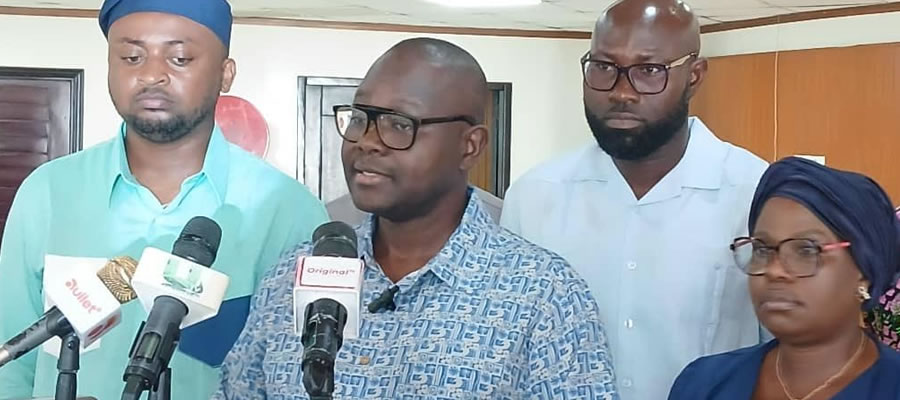
At a press briefing on Monday, Francis Asenso-Boakye—MP for Bantama and former Roads and Highways Minister—spoke on behalf of the caucus, challenging the government’s claim that debt constraints forced the scale-back.
“If the government can mobilise funds for the Ofankor–Nsawam Road and other major projects, why is the Suame Interchange being short-changed?” Asenso-Boakye asked.
Contradictions in Funding and Policy
The caucus highlighted inconsistencies in infrastructure planning, noting that the Suame Interchange was part of the government’s “Big Push Road Programme” in 2025, which promised sustained funding for critical projects.
Asenso-Boakye also pointed to the Finance Minister’s recent disclosure that GHS 43 billion has been allocated to road infrastructure this year.
“Why can’t a fraction of that funding preserve the original four-tier interchange designed to solve Kumasi’s traffic crisis?” he asked.
Criticism of Sole-Sourced New Projects
MPs criticised the government for awarding 64 new road projects through sole sourcing, rather than prioritising completion of high-impact projects like Suame.
They warned that downgrading the interchange would worsen congestion, increase transport costs, hurt productivity, and undermine long-term urban planning in Ghana’s second-largest city.
Call to Restore Original Design
The Ashanti Caucus is urging the government to reconsider its decision, restore the four-tier interchange plan, and align funding with Kumasi’s role as a national transport and economic hub.
“Kumasi deserves infrastructure that matches its scale and significance,” Asenso-Boakye stated. “Short-changing major projects now will cost the city and the nation far more in the long term.”
Other Stories



Local Gov Ministry
Int of Local Gov Studies
Ministry of Information
Local Gov Service
Ghana MPs
Ghana Hospitals
NALAG
 facebook
 X
X
 Youtube
 instagram
 whatsapp
 +233 593 831 280
+233 20 230 9497
+233 593 831 280
+233 20 230 9497 0800 430 430
 GPS: GE-231-4383
 info@ghanadistricts.com
 Box GP1044, Accra, Ghana