- Item

GENERAL
WRC inaugurates local water committee in Kyebi to tackle galamsey
Date Created : 12/3/2025 : Story Author : Kamal Ahmed/Ghanadistricts.com
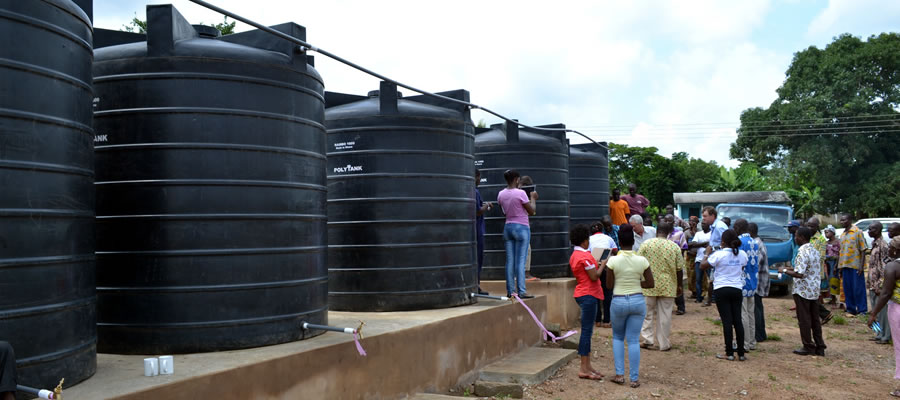
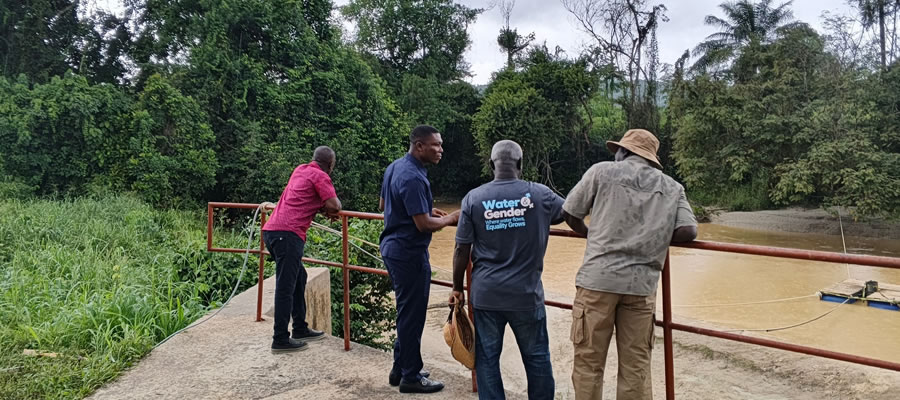
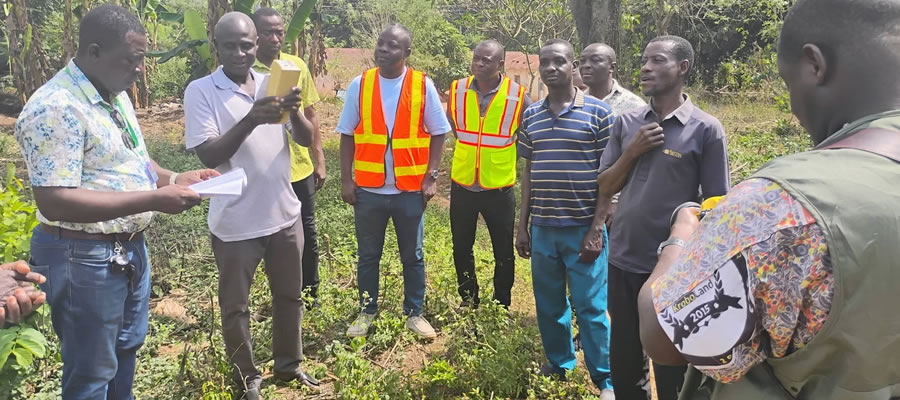
The move aims to strengthen grassroots water governance and confront the growing threat of illegal mining, or galamsey, within the Atiwa landscape.
The committee comprises policymakers, traditional leaders, assembly members, civil society actors, and community stakeholders. Its mandate includes monitoring waterbodies, reporting environmental infractions, promoting sustainable water use, and supporting national efforts to restore degraded rivers sourced from the Atiwa Forest, including the Densu, Birim, and Ayensu.
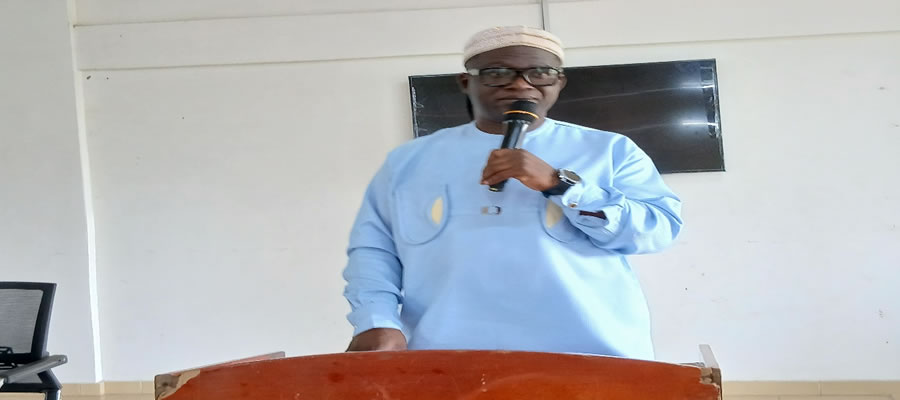
Speaking at the inauguration, Mr. Festus Aidoo Larweh, Water Management Officer at the Densu Basin Secretariat, said the initiative formed part of WRC’s broader strategy to decentralize water governance and empower local communities. “We want water management to be owned by the people who depend on these rivers,” he said. “When we safeguard water, it directly benefits local communities. So why should everything remain at the national level without devolving responsibility?”
Mr. Larweh noted that concerns raised during the ceremony overwhelmingly focused on illegal mining, which continues to compromise water quality and ecosystem health. He emphasized that these community concerns reflected the urgent environmental realities facing the basin.
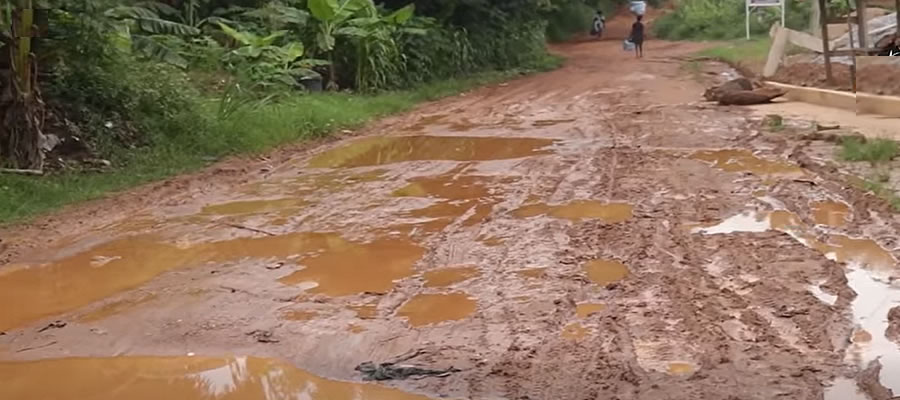
“These concerns show the realities on the ground. When communities bring them up, it helps us understand and respond effectively—because the water belongs to them,” he added. He identified illegal mining, unsustainable farming practices, and deforestation as the primary drivers of pollution in the area.
He warned that the consequences are already severe, citing the closure of four Ghana Water Company Limited (GWCL) treatment plants in Kyebi, Osino, Anyinam, and Bunso for over three months due to galamsey-related contamination.
“These are the cheapest water sources we have, yet they are being destroyed,” he said. “Most vulnerable residents cannot afford boreholes, and even those are not sustainable. The government must intensify its fight, and establishing a NAIMOS office in Kyebi would greatly improve monitoring within the Akyem enclave.”
Mr. Hopeson Eli Etsra,Landscape and Programme Officer at A Rocha Ghana, expressed concern over political interference in environmental enforcement, particularly in the fight against galamsey. “For institutions to function properly, they must be allowed to enforce the law without interference from political actors, traditional authorities, or religious groups,” he said.
Municipal Chief Executive for Abuakwa South, Nana Adu Sarpong Addo-Aikins, described the initiative as timely and essential for reversing the decline in local water bodies. He said illegal mining remains the most destructive threat to rivers, farmlands, livelihoods, and public health in the municipality.
“We have seen the destruction of rivers, rising water treatment costs, loss of farmlands and livelihoods, and increased health risks,” he said. “This committee must be vigilant, consistent, and collaborative.” He commended the WRC for selecting Abuakwa South as a beneficiary of the intervention and reaffirmed government’s commitment to tackling galamsey, citing recent successful operations by NAIMOS in Osino.
As the new committee begins its mandate, stakeholders across communities, institutions, and government are being urged to intensify efforts, enforce environmental laws, and protect the remaining water resources before the damage becomes irreversible.
Other Stories

Local Gov Ministry
Int of Local Gov Studies
Ministry of Information
Local Gov Service
Ghana MPs
Ghana Hospitals
NALAG
 facebook
 X
X
 Youtube
 instagram
 whatsapp
 +233 593 831 280
+233 20 230 9497
+233 593 831 280
+233 20 230 9497 0800 430 430
 GPS: GE-231-4383
 info@ghanadistricts.com
 Box GP1044, Accra, Ghana