- Item


GENERAL
Assemblies Urged to Prioritise Clean Air in Development Plans

Date Created : 11/3/2026 : Story Author : Albert Oppong-Ansah/Ghanadistricts.com
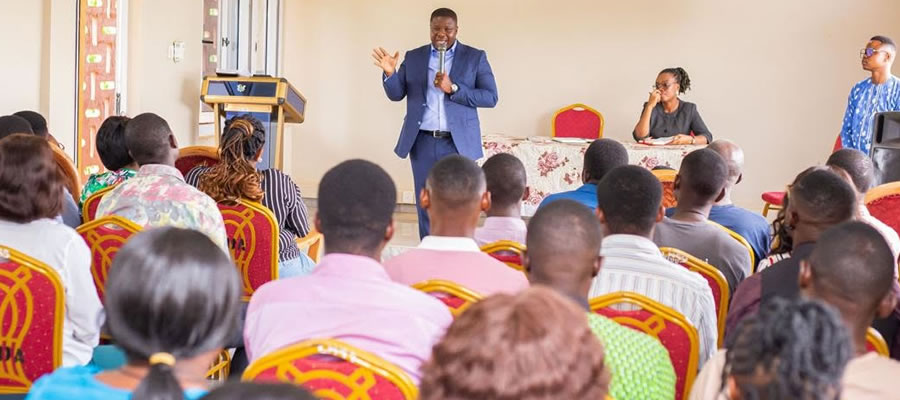
Mr. Desmond Appiah, Country Lead of the Clean Air Fund, said local authorities had a critical role to play in addressing air pollution through effective development planning, enforcement of environmental regulations and public education.
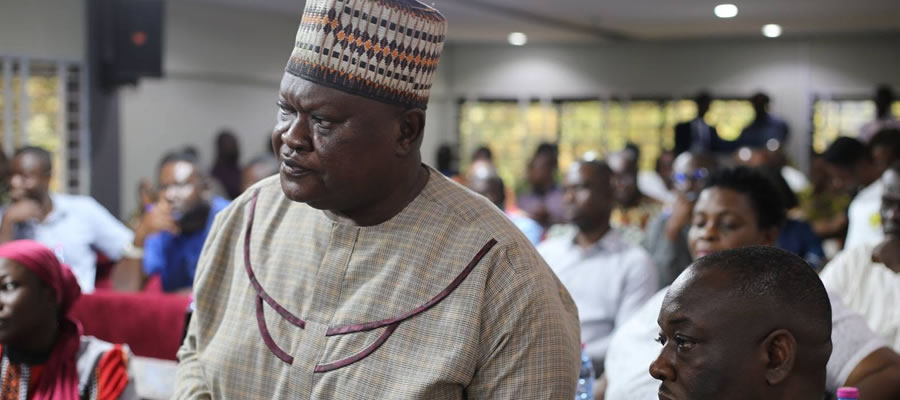
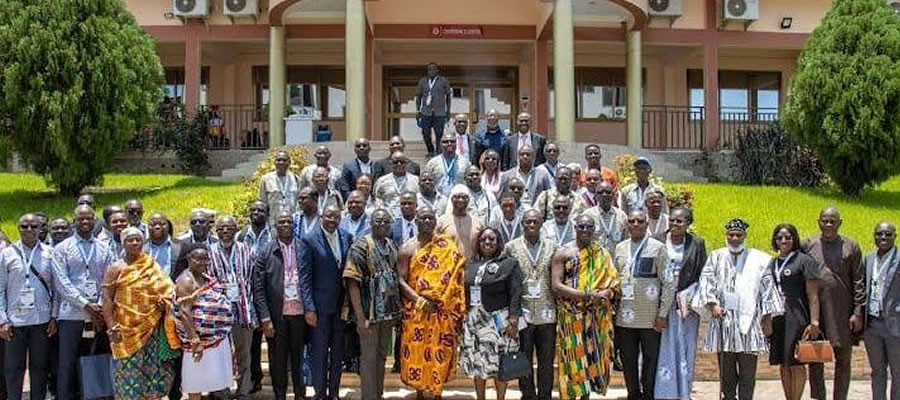
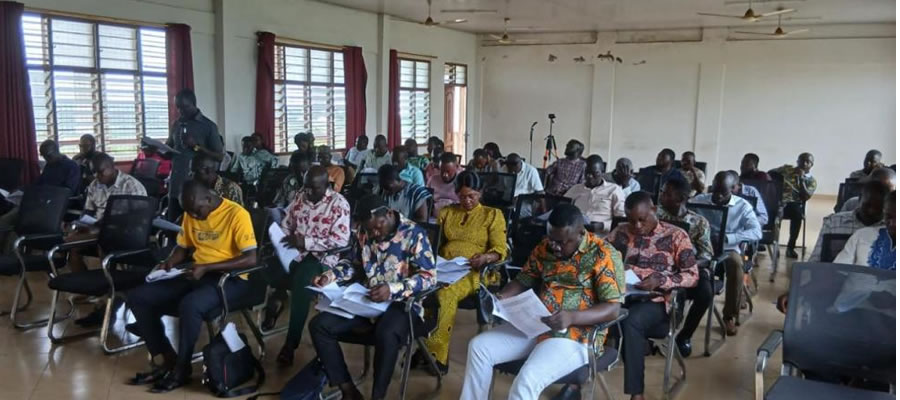
He made the call at a clean air boot camp organised for local government leaders, including Metropolitan, Municipal and District Chief Executives (MMDCEs), Coordinating Directors and Presiding Members.
The engagement sought to deepen participants' understanding of air pollution, its effects on public health and the economy, and practical measures they could adopt to improve air quality in their respective jurisdictions.
It also aimed to equip local government leaders with relevant evidence and data to support informed decision-making and ensure that air quality management became an integral part of local development priorities.
Mr. Appiah cited research by the United Nations Development Programme (UNDP), which estimated that ambient air pollution, referring to pollution occurring outside homes, cost Ghana approximately US$19 million annually.
He said the economic implications, coupled with the associated health risks, required urgent and coordinated interventions from national and local authorities.
He noted that air quality monitoring data in Accra, together with research on the economic cost of pollution, provided important evidence to guide policymakers and local authorities in designing appropriate interventions.
Mr. Appiah identified several practical measures assemblies could adopt, including mapping pollution hotspots, incorporating air quality interventions into their annual action plans and allocating dedicated budgetary resources to address the problem.
He also urged the assemblies to introduce and enforce bylaws against open burning, particularly in communities where the practice contributed significantly to air pollution.
On transportation, he encouraged local authorities to promote proper vehicle maintenance, address vehicular emissions and incorporate walking paths and other non-motorised transport infrastructure into urban development plans.
Such interventions, he said, would provide residents with safer alternatives to motorised transport while helping to reduce harmful emissions.
Mr. Appiah explained that engaging local government leaders was particularly important because they were directly responsible for planning, implementing and enforcing development policies at the community level.
He said informed local authorities could translate research findings into practical interventions tailored to the sources and levels of pollution in their respective communities.
"The one action I think assemblies can begin to take is mainstreaming air pollution into their development planning. They must understand the hotspots and sources of pollution in their areas and incorporate measures to address them into their plans," he said.
He further encouraged planning officers to use community engagement platforms to educate residents on the causes of air pollution, its health implications and measures being implemented by their respective assemblies.
Mr. Appiah expressed optimism that the engagement would motivate the assemblies to initiate practical projects and interventions to reduce pollution and promote cleaner and healthier environments for their residents.
Other Stories




Local Gov Ministry
Int of Local Gov Studies
Ministry of Information
Local Gov Service
Ghana MPs
Ghana Hospitals
NALAG
 facebook
 X
 Youtube
 instagram
 whatsapp
 +233 593 831 280
+233 20 230 9497
 0800 430 430
 GPS: GE-231-4383
 info@ghanadistricts.com
 Box GP1044, Accra, Ghana