- Item


ENVIRONMENT
Kwahu West MCE Launches Land Reclamation Project at Wawasi in Fight Against Galamsey
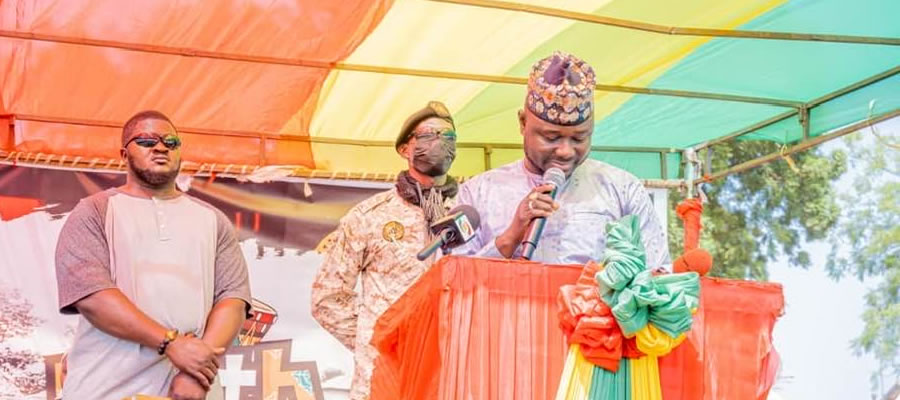
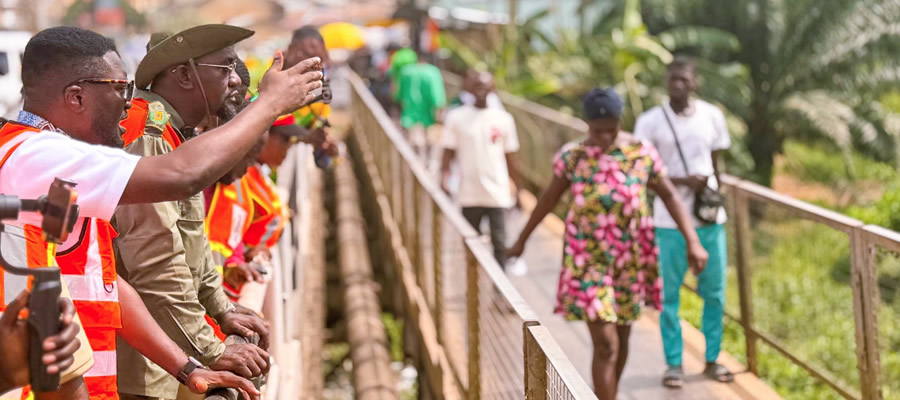
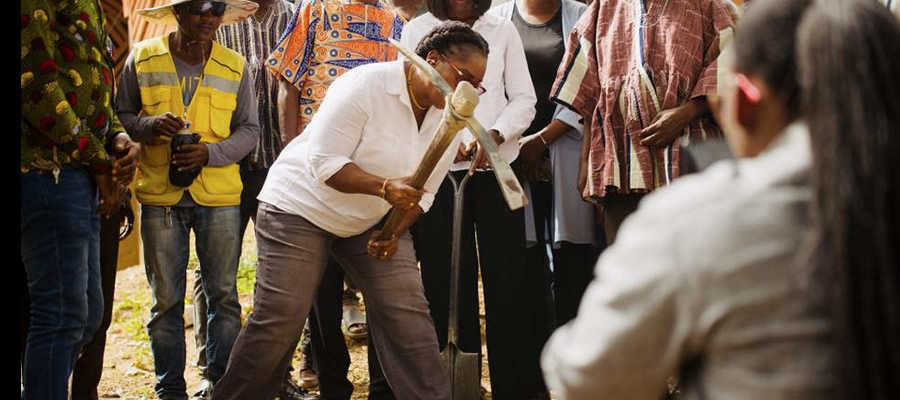
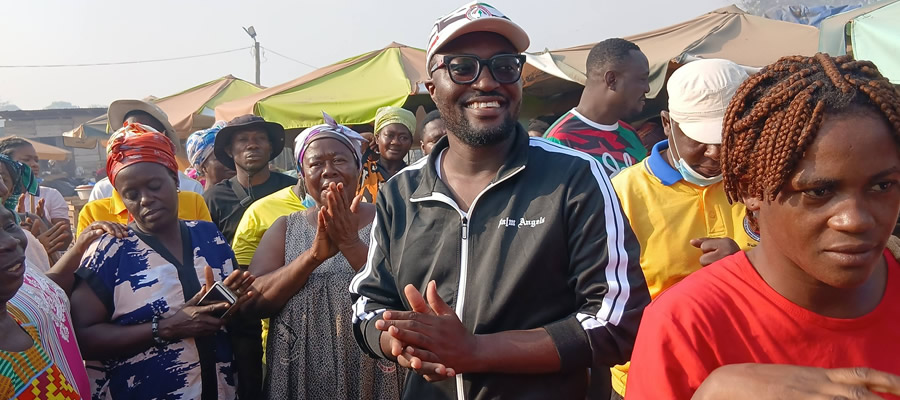
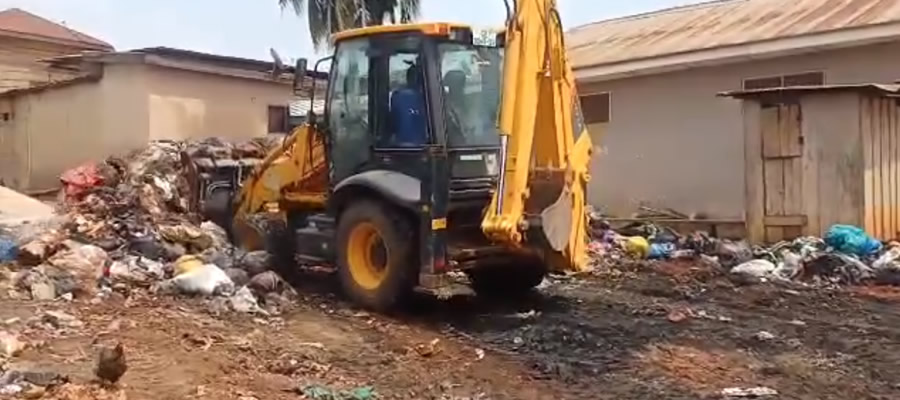
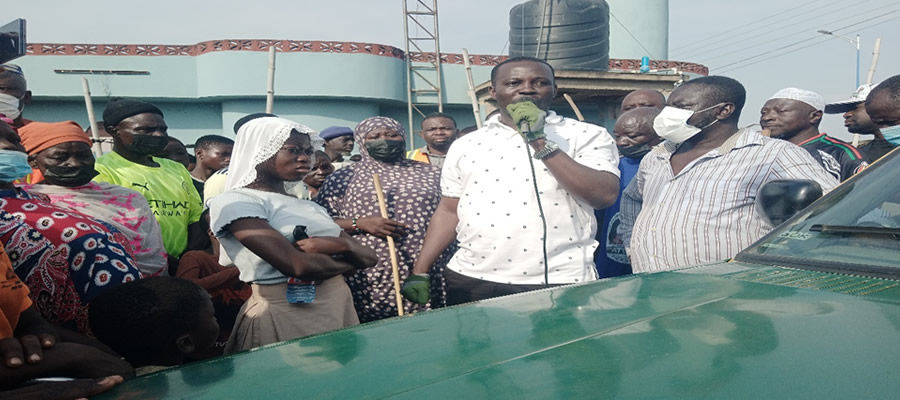
The Municipal Chief Executive (MCE) for Kwahu West, Hon. Halidu Tamimu, has launched a significant land reclamation initiative at Wawasi. The project targets the restoration of lands severely degraded by illegal mining activities, locally known as galamsey.

Date Created : 1/30/2026 : Story Author : Rosemary O. Yeboah /Ghanadistricts.com
This effort is a direct response to the environmental damage caused by unlawful mining operations and aligns with broader governmental objectives to rehabilitate ecosystems and foster sustainable development.
Collaborative Reclamation Efforts
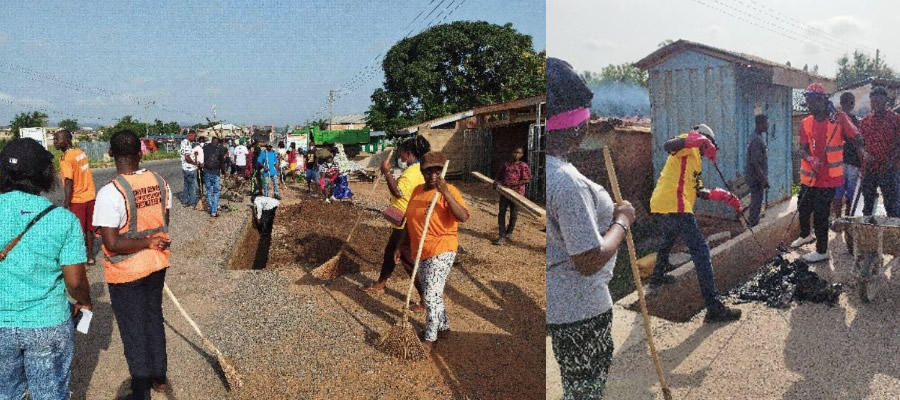
The move by the MCE echoes ongoing community-driven actions. The Kwahu West Small Scale Miners Association has already reclaimed approximately 75 acres of devastated land across several communities, including Wisiwisi, Kwahu Besease, and Pankese within the municipality.
Economic and Environmental Revival
Post-reclamation, the restored lands will be transformed into agricultural hubs for cultivating high-value cash crops such as coconut, oil palm, and cocoa. This strategic shift is designed to boost local agriculture, create sustainable employment for the youth, and provide an economic alternative to illegal mining.
National Policy Alignment
In an exclusive statement to Ghanadistricts.com, Hon. Tamimu highlighted the national context of this local effort. He referenced the Minister of Lands and Natural Resources' announcement of a comprehensive, nationwide land reclamation program set for a full-scale rollout in 2026. That program will focus on restoring degraded lands and polluted water bodies. Additionally, specialized tribunals will be established to expedite the prosecution of galamsey-related cases.
A Sustainable Future
The Wawasi reclamation project is expected to deliver substantial positive impacts for the local environment and community. By healing scarred landscapes and promoting sustainable agriculture, the initiative aims to enhance biodiversity, improve water quality, and contribute to climate change mitigation efforts in the region.
Other Stories
GoG Portal
Local Gov Ministry
Int of Local Gov Studies
Ministry of Information
Local Gov Service
Ghana MPs
Ghana Hospitals
NALAG
Local Gov Ministry
Int of Local Gov Studies
Ministry of Information
Local Gov Service
Ghana MPs
Ghana Hospitals
NALAG
 facebook
 X
X
 Youtube
 instagram
 +233 593 831 280
+233 20 230 9497
+233 593 831 280
+233 20 230 9497 0800 430 430
 GPS: GE-231-4383
 info@ghanadistricts.com
 Box GP1044, Accra, Ghana