- Item

GENERAL
NCCE Engages Salaga Technical Institute Students on Rule of Law and Anti-Corruption

Date Created : 6/1/2026 : Story Author : Albert Futukpor/Ghanadistricts.com
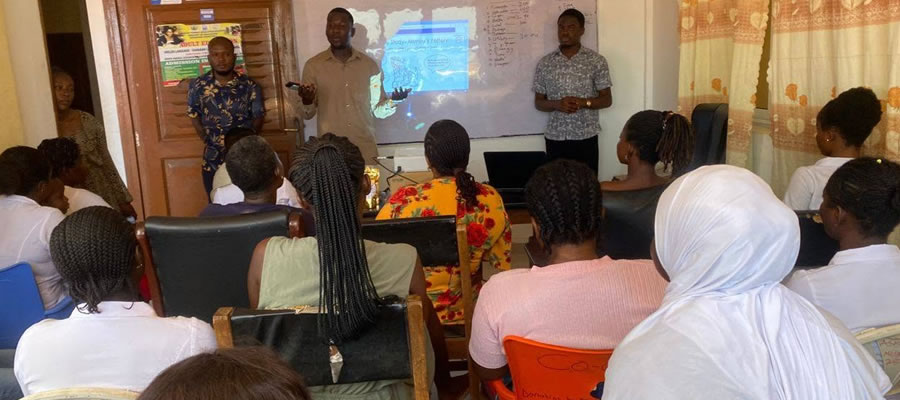
The event, held in Salaga, formed part of the NCCE’s efforts to promote integrity, accountability, and ethical leadership among young people.
Organised with support from the European Union and the German Development Cooperation, the programme attracted more than 140 participants, including CEC members, students, teachers, representatives of the Commission on Human Rights and Administrative Justice (CHRAJ), and media practitioners.
Speaking at the event, Mr. Abdul-Latif Iddrisu, East Gonja Municipal Director of the NCCE, said the programme was aimed at educating students on ethical values, responsible leadership, integrity, accountability, and the dangers of corruption.
He explained that the initiative sought to nurture students into responsible citizens and future leaders capable of promoting transparency, accountability, and ethical conduct in society.
Mr. Iddrisu noted that corruption continued to undermine national development and erode public confidence in institutions, making it necessary to instill strong moral values in young people.
Mr. Moses Ikunjon, East Gonja Municipal Officer of CHRAJ and a facilitator at the event, educated participants on the importance of ethical values such as honesty, fairness, discipline, respect, and patriotism in both public and private life.
He encouraged students to cultivate leadership qualities including transparency, selflessness, commitment, and a strong sense of service to others.
Touching on integrity and accountability, Mr. Ikunjon urged participants to be truthful, take responsibility for their actions, and demonstrate trustworthiness in both leadership roles and everyday activities.
On the issue of corruption, he highlighted its adverse effects on national development, education, public institutions, and society at large.
He advised students to avoid corrupt practices such as cheating, bribery, favouritism, and abuse of authority, stressing that such behaviours weaken public trust and hinder national progress.
The programme featured an interactive session during which students asked questions, shared opinions, and discussed practical ways of promoting ethical behaviour, transparency, and accountability within their schools and communities.
Other Stories


Local Gov Ministry
Int of Local Gov Studies
Ministry of Information
Local Gov Service
Ghana MPs
Ghana Hospitals
NALAG
 facebook
 X
X
 Youtube
 instagram
 whatsapp
 +233 593 831 280
+233 20 230 9497
+233 593 831 280
+233 20 230 9497 0800 430 430
 GPS: GE-231-4383
 info@ghanadistricts.com
 Box GP1044, Accra, Ghana