- Item


HEALTH
Central Tongu Battles Growing Sanitation Challenges and Open Defecation Concerns
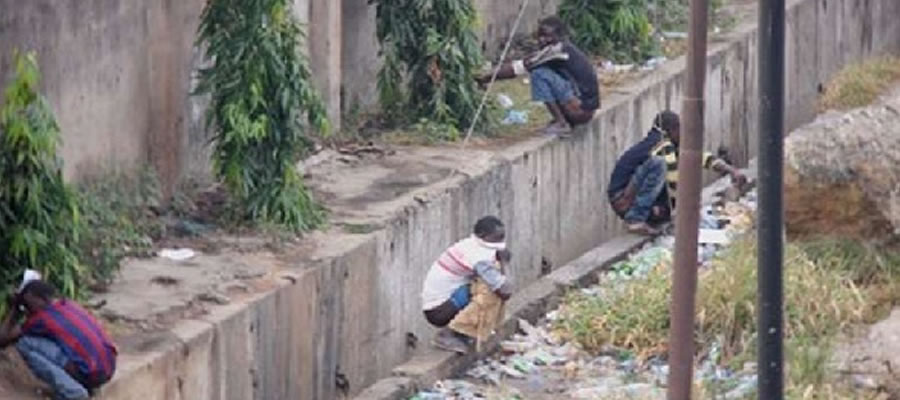
Sanitation challenges and the persistent practice of open defecation continue to pose serious public health and environmental concerns in the Central Tongu District of the Volta Region, with local authorities warning that urgent interventions are needed to reverse the situation.
Date Created : 5/25/2026 : Story Author : Theresa Workartey/ Ghanadistricts.com
According to the Central Tongu District Assembly’s latest development and budget reports, inadequate household toilet facilities, weak waste management systems, and limited sanitation infrastructure remain major obstacles affecting many communities across the district.
The Assembly revealed that no community within the district has yet attained Open Defecation Free (ODF) status, a situation officials describe as worrying considering the health risks associated with poor sanitation practices.
Health experts have repeatedly linked open defecation to the spread of diseases such as cholera, typhoid fever, diarrhea, and other waterborne infections, particularly in areas where access to clean water and sanitation facilities is limited.
District authorities say many households still depend on bushes, riverbanks, and open spaces for defecation due to the absence of proper toilet facilities. Rapid population growth in some communities and inadequate investment in sanitation infrastructure have further worsened the challenge.
The situation has also raised environmental concerns, especially in communities located near water bodies, where indiscriminate waste disposal threatens water quality and public safety.
The Assembly acknowledged that solid waste management remains another pressing issue, citing inadequate refuse disposal systems and limited sanitation equipment as key setbacks in maintaining clean communities.
In response, district officials say efforts are underway to strengthen public education on hygiene and sanitation practices while seeking partnerships with development agencies and private sector organizations to expand access to toilet facilities and improve waste collection systems.
Community sensitization campaigns are also expected to intensify as authorities work to encourage behavioral change and improve environmental cleanliness across the district.
Sanitation advocates within the district have called for stricter enforcement of sanitation by-laws, increased investment in public toilets, and greater community participation in clean-up exercises to help address the growing crisis.
Residents in some affected communities say poor roads and flooding during rainy seasons often worsen sanitation conditions, making it difficult for waste collection vehicles to access certain areas.
Development analysts believe improving sanitation in Central Tongu will require a coordinated approach involving government institutions, traditional leaders, civil society groups, and local residents to ensure long-term progress.
Stakeholders remain hopeful that with sustained investment, stronger public education, and effective enforcement measures, the district can gradually overcome its sanitation challenges and achieve safer and healthier living conditions for its people.
Other Stories


GoG Portal
Local Gov Ministry
Int of Local Gov Studies
Ministry of Information
Local Gov Service
Ghana MPs
Ghana Hospitals
NALAG
Local Gov Ministry
Int of Local Gov Studies
Ministry of Information
Local Gov Service
Ghana MPs
Ghana Hospitals
NALAG
 facebook
 X
X
 Youtube
 instagram
 whatsapp
 +233 593 831 280
+233 20 230 9497
+233 593 831 280
+233 20 230 9497 0800 430 430
 GPS: GE-231-4383
 info@ghanadistricts.com
 Box GP1044, Accra, Ghana