- Item

SOCIAL
La Dade-Kotopon: Celebrating Culture and Diversity

Date Created : 9/26/2025 : Story Author : Ghanadistricts.com
Language is central to this identity. The Ga language remains the main form of communication, helping to preserve cultural stories and practices. The society is largely patrilineal, with family lineage traced through male descendants, which influences family and community relationships.
One of the most significant cultural events in the municipality is the annual Homowo festival, celebrated every August. The festival, which means “hooting at hunger,” marks the Ga people’s victory over famine. It is a time of thanksgiving and unity. A highlight of Homowo is the preparation of Kpokpoi, a corn-based dish served with palm soup. Families share this food as both a cultural and spiritual practice, strengthening bonds within the community.
Food plays a big role in daily life as well. Popular dishes such as kenkey with fish and pepper sauce (shito) are not just meals but part of the community’s heritage. These foods are commonly served at gatherings and events, bringing people together and reflecting the area’s rich agricultural roots.
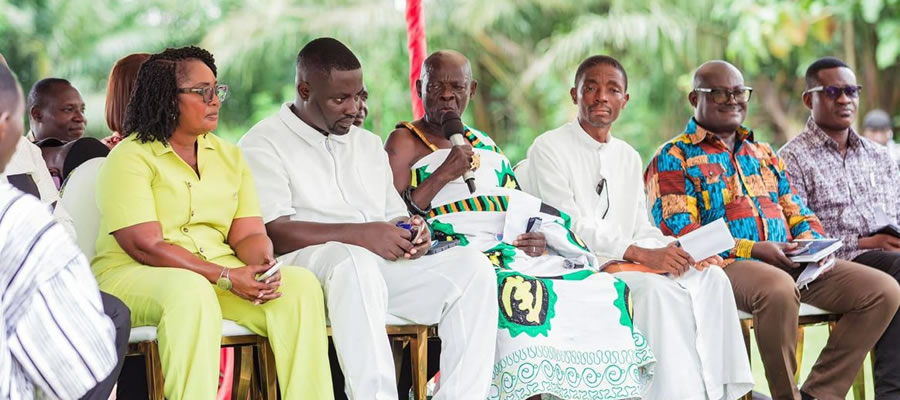
Traditional leadership is another important aspect of life in La Dade-Kotopon. The La Mantse, or paramount chief, leads the community with the support of eight clan sub-chiefs. Together, they represent 77 family houses in the municipality. This traditional governance system helps preserve customs while ensuring that all clans are represented.
Despite modern changes, the community continues to embrace diversity and unity. Different ethnic groups live alongside the Ga-Adangbe, contributing to the area’s vibrant cultural mix. Leaders and residents work to maintain traditions while promoting inclusiveness.
La Dade-Kotopon stands as an example of how culture and modern life can coexist. Through festivals, food, and traditional governance, the community keeps its heritage alive while remaining open to growth and change.
Other Stories

Local Gov Ministry
Int of Local Gov Studies
Ministry of Information
Local Gov Service
Ghana MPs
Ghana Hospitals
NALAG
 facebook
 X
X
 Youtube
 instagram
 whatsapp
 +233 593 831 280
+233 20 230 9497
+233 593 831 280
+233 20 230 9497 0800 430 430
 GPS: GE-231-4383
 info@ghanadistricts.com
 Box GP1044, Accra, Ghana