- Item


Nzema East Municipality Weighs Economic Potential of Geology, Soils, and Community Health
Date Created : 11/5/2025 3:00:00 AM : Story Author : Ghanadistrictscom
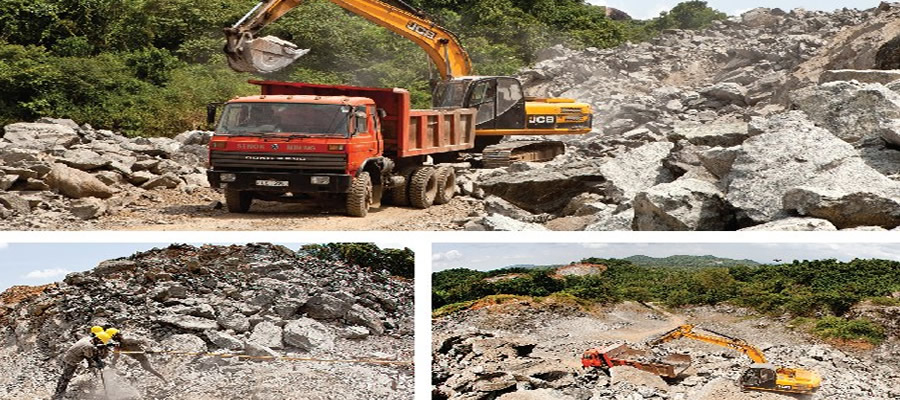
This ancient bedrock hosts valuable minerals such as kaolin, silica, gold, and sandstone, underscoring the area’s potential for mineral-based industries, artisanal mining, and related value-added activities. The geological endowment is a cornerstone of the region’s economic narrative, offering opportunities while also demanding prudent management to balance development with environmental safeguards.
Soils and Agricultural Potential
Surface soils in Nzema East are largely ferric acrisols, covering an estimated 98 percent of the land. These soils are acidic and naturally low in nutrients, a condition intensified by the area’s high rainfall and consequent leaching. Leaching limits nutrient availability and shapes what crops can thrive, influencing farmers to favor crops that tolerate acid soils and periodic nutrient losses.
Tree crops such as rubber, cocoa, and oil palm have shown resilience in this environment. Cocoa remains a key cash crop, while oil palm and rubber contribute important revenue streams. Nevertheless, the acidic ferric acrisols require ongoing soil management, including lime or other acidity adjustments, site-specific fertilization, and robust soil-health practices to sustain yields over time. Agricultural researchers emphasize diversified cropping, soil organic matter enhancement and agroforestry as strategies to bolster resilience and productivity in the face of leaching and climate variability.
Mining, Environment, and Community Health
The same leaching processes that influence agriculture also contribute to bedrock exposure, creating opportunities for small-scale mining activities. In Nzema East, galamsey—informal, often illicit mining operations—has emerged as a livelihood for some residents amid limited employment opportunities. While artisanal mining can provide short-term income and skill development, it also poses significant environmental and health risks when conducted without safeguards. Potential impacts include water contamination, sedimentation, dust, and landscape alteration that threaten drinking water quality, aquatic ecosystems, and long-term land productivity. The coexistence of mineral wealth and farming potential presents a complex governance challenge: promoting economic opportunity while protecting communities and ecosystems.
Policy and Community Implications
Local authorities, community leaders, and mining stakeholders must navigate a careful balance. The region’s mineral endowment—kaolin, silica, and gold among others—offers pathways for formal mining, mineral processing, and value-added industries that could diversify the economy. At the same time, environmental safeguards, regulatory oversight, and community-inclusive planning are essential to prevent irreversible damage and safeguard public health. Strengthening land-use planning, improving access to information, and fostering transparent dialogue with residents will be key components of any sustainable development strategy in Nzema East.
Outlook and Next Steps
Looking forward, Nzema East’s potential hinges on aligning agricultural best practices with robust mining governance and forward-looking land-use policies. Investments in soil health, sustainable mining practices, and inclusive community planning can help harness the municipality’s natural resources for long-term prosperity while protecting the environment and public health. If managed carefully, the region could develop a diversified economy that supports livelihoods—from farming to responsible mining—without compromising the health of residents or the integrity of the landscape.
Other stories


Local Gov Ministry
Int of Local Gov Studies
Ministry of Information
Local Gov Service
Ghana MPs
Ghana Hospitals
NALAG
 facebook
 X
X
 Youtube
 instagram
 whatsapp
 +233 593 831 280
+233 20 230 9497
+233 593 831 280
+233 20 230 9497 0800 430 430
 GPS: GE-231-4383
 info@ghanadistricts.com
 Box GP1044, Accra, Ghana