- Item


Mfantseman: The Historical Birthplace of Ghana Beckons Tourists
The Central Region of Ghana is widely celebrated for its rich cultural heritage, breathtaking coastline, and historical landmarks. Among its jewels is Mfantseman Municipality, a destination that carries the weight of Ghana’s political beginnings, coastal beauty, and centuries of global history. Often called the birthplace of modern Ghana, Mfantseman is uniquely positioned to attract both domestic and international tourists seeking a blend of heritage, education, and leisure.
Date Created : 10/6/2025 4:54:36 AM : Story Author : Ghanadistrictscom
Saltpond – The Birthplace of Modern Ghana
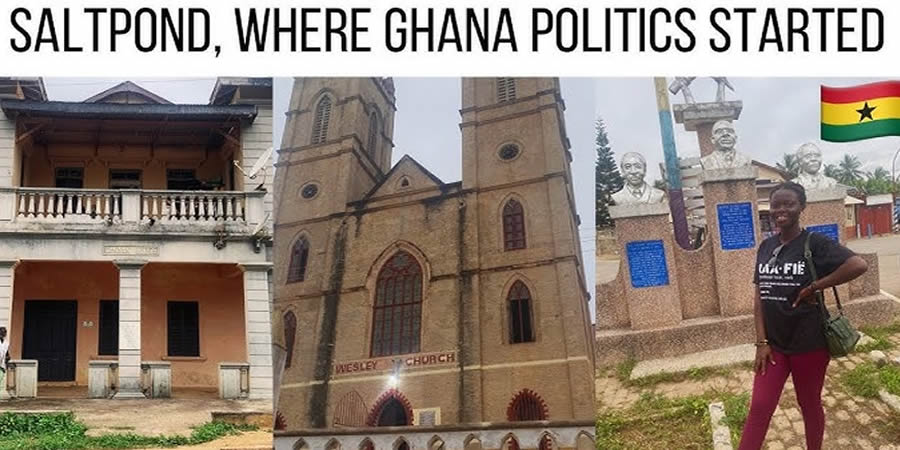
At the heart of Mfantseman’s historical significance lies Saltpond, a coastal town whose name is etched into the story of Ghana’s independence. In 1947, Saltpond became the birthplace of the United Gold Coast Convention (UGCC), the first political party in Ghana. This landmark event ignited the national consciousness that eventually led to independence in 1957.
Tourists visiting Saltpond can still see key relics that symbolize this political awakening:
The first post office in Ghana, which remains an enduring reminder of the country’s colonial communication system.
The UGCC office, where political leaders such as J. B. Danquah, Paa Grant, and others laid the foundation for a new Ghana.
The Saltpond oil rig, the pioneering site of crude oil exploration in Ghana, highlighting the town’s role not only in politics but also in industrial history.
Saltpond is, therefore, not just a town; it is a living museum of Ghana’s fight for independence and progress.
Forts and Monuments of Global Heritage
Mfantseman’s significance goes beyond politics. Along its coast stand monumental structures that testify to Ghana’s complex engagement with European powers over the centuries.
Fort Amsterdam at Abandze: Built by the Dutch between 1631 and 1638, this fort is one of the oldest along the West African coast. It played a central role in trade—both legitimate and the dark trans-Atlantic slave trade—and today stands as a heritage site that offers sobering lessons in world history.
Fort William (Anomabo): Constructed by the British between 1753 and 1770, Fort William was a major stronghold during colonial rule. Situated in Anomabo, it later served as a training center for military recruits. The fort has immense potential as a site for guided tours, research, and cultural education.
Both forts are part of UNESCO’s listed heritage monuments, giving them global recognition. However, their true potential as tourism drivers for Mfantseman can only be realized with stronger promotion, preservation, and visitor engagement strategies.
Beach Resorts and Leisure Attractions
Beyond history and politics, Mfantseman is also blessed with natural beauty. The municipality boasts some of the most serene and picturesque beach resorts along Ghana’s Central Coast. These beaches combine calm waters, golden sands, and a warm cultural atmosphere that appeals to both leisure travelers and business tourists.
Popular resorts in the area include:
1. Saltpond Beach Resort – a perfect mix of relaxation and local history.
2. Abandze Beach Resort – ideal for cultural tours given its proximity to Fort Amsterdam.
3. Anomabo Beach Resort – a well-known spot for both locals and international visitors.
4. Biriwa Beach Resort – celebrated for its calm atmosphere and fresh seafood.
5. Kuntu Beach Resort – a growing eco-tourism site with potential for development.
These resorts do not only provide relaxation but also serve as platforms for cultural festivals, conferences, and family getaways. They represent the recreational side of Mfantseman’s tourism economy.
Unlocking Tourism Potential in Mfantseman
With its political heritage, ancient forts, and breathtaking beaches, Mfantseman is a microcosm of Ghana’s tourism potential. Yet, the municipality remains relatively under-promoted compared to other parts of the Central Region, such as Cape Coast and Elmina.
Unlocking the full tourism potential of Mfantseman will require:
Improved infrastructure: Better roads, signage, and accommodation facilities will make sites more accessible.
Heritage preservation: Restoration of historic buildings such as the UGCC office, forts, and the first post office is essential for long-term tourism growth.
Public-private partnerships: Collaboration between government, traditional authorities, and private investors can accelerate tourism development.
Marketing and branding: Aggressive promotion through digital platforms, festivals, and packaged tours can position Mfantseman as a unique heritage and leisure destination.
With the government’s ongoing tourism initiatives, such as “Beyond the Return”, Mfantseman is well-placed to attract heritage travelers, diaspora communities, researchers, and leisure seekers.
A Call to Rediscover Ghana’s Birthplace
Mfantseman is more than a municipality; it is a living archive of Ghana’s political, cultural, and social history. From the birthplace of the UGCC in Saltpond, to the Dutch and British forts, and the golden beaches stretching across the coastline, Mfantseman presents a tourism package that is unmatched in diversity.
For travelers, Mfantseman offers a journey into Ghana’s past, a reflection on its struggles, and a celebration of its beauty. For policymakers and investors, it presents a golden opportunity to transform heritage into sustainable development.
As Ghana looks to boost its tourism sector, the time has come to rediscover Mfantseman — the true birthplace of Ghana.
Other stories




GoG Portal
Local Gov Ministry
Int of Local Gov Studies
Ministry of Information
Local Gov Service
Ghana MPs
Ghana Hospitals
NALAG
Local Gov Ministry
Int of Local Gov Studies
Ministry of Information
Local Gov Service
Ghana MPs
Ghana Hospitals
NALAG
 facebook
 X
X
 Youtube
 instagram
 whatsapp
 +233 593 831 280
+233 20 230 9497
+233 593 831 280
+233 20 230 9497 0800 430 430
 GPS: GE-231-4383
 info@ghanadistricts.com
 Box GP1044, Accra, Ghana