- Item


Gushegu’s Untapped Tourism Potential: Crocodile Pond and Smock Weaving Put Front and Center
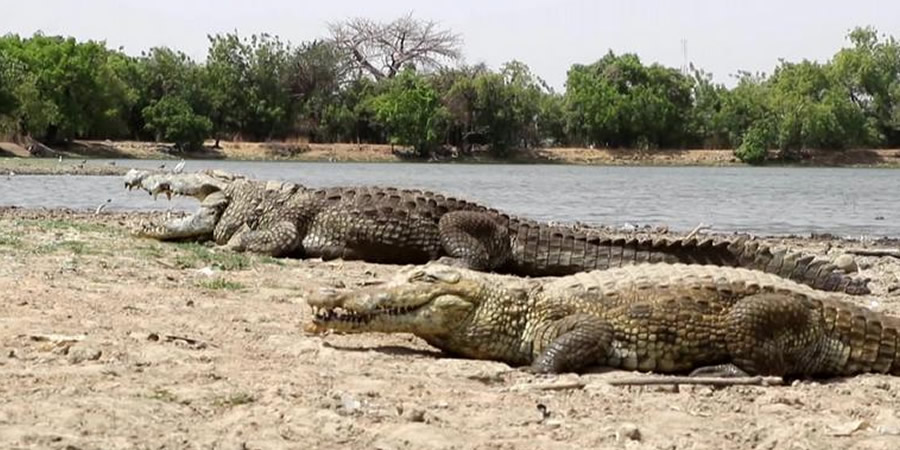
The Gushegu Municipality in Ghana harbors notable natural and cultural assets, most prominently the crocodile pond at Kpatinga and the region’s distinctive smock weaving. While these attractions hold significant potential to draw visitors and strengthen the local economy, they remain underdeveloped. A formal, integrated tourism strategy is needed to realize sustainable growth and broaden the area’s appeal.
Date Created : 10/29/2025 7:12:51 AM : Story Author : Ghanadistrictscom
The crocodile pond at Kpatinga offers visitors an opportunity to observe wildlife in a controlled setting, raising awareness about local ecosystems and conservation. Emphasis should be placed on safety, guided experiences, and informative interpretation to enrich the visitor experience while protecting both guests and wildlife. Similarly, smock weaving represents Gushegu’s cultural identity; demonstrations and hands-on workshops can engage tourists, support artisans, and help sustain traditional techniques for future generations.
A cohesive development framework is essential with key elements including improved infrastructure and safety through better roads, signage, and visitor facilities; capacity building in hospitality and guiding to elevate service standards; and a marketing strategy that presents a unified Gushegu Tourism brand and leverages online optimization. Governance should involve public-private partnerships that coordinate investment, marketing, and site stewardship, all guided by sustainable practices that prioritize environmental protection and community involvement.
Seasonal planning is also important. Understanding local climate and event calendars helps balance visitor flow, protect fragile sites, and maximize the appeal of peak periods. A sample two-day itinerary highlights both natural and cultural experiences: a morning wildlife viewing at the crocodile pond, an afternoon weaving workshop with local artisans, time to explore markets for fabrics and crafts, and an evening cultural event or storytelling session that celebrates Gushegu’s heritage.
Measuring success will require clear indicators, including visitor numbers and repeat visits, income generated for local artisans, job creation, environmental health, and the level of community participation in planning processes. With inclusive planning, targeted investments in infrastructure and skills, and strong, cohesive marketing,
Gushegu can emerge as a model of sustainable, community-driven tourism that preserves heritage while expanding economic opportunities for residents.
Other stories

GoG Portal
Local Gov Ministry
Int of Local Gov Studies
Ministry of Information
Local Gov Service
Ghana MPs
Ghana Hospitals
NALAG
Local Gov Ministry
Int of Local Gov Studies
Ministry of Information
Local Gov Service
Ghana MPs
Ghana Hospitals
NALAG
 facebook
 X
X
 Youtube
 instagram
 whatsapp
 +233 593 831 280
+233 20 230 9497
+233 593 831 280
+233 20 230 9497 0800 430 430
 GPS: GE-231-4383
 info@ghanadistricts.com
 Box GP1044, Accra, Ghana