- Item


Ga North’s Homowo: Where Hunger Was Hooted and Culture Took Center Stage
Date Created : 11/14/2025 2:42:37 AM : Story Author : Ghanadistricts.com
Origins and Meaning
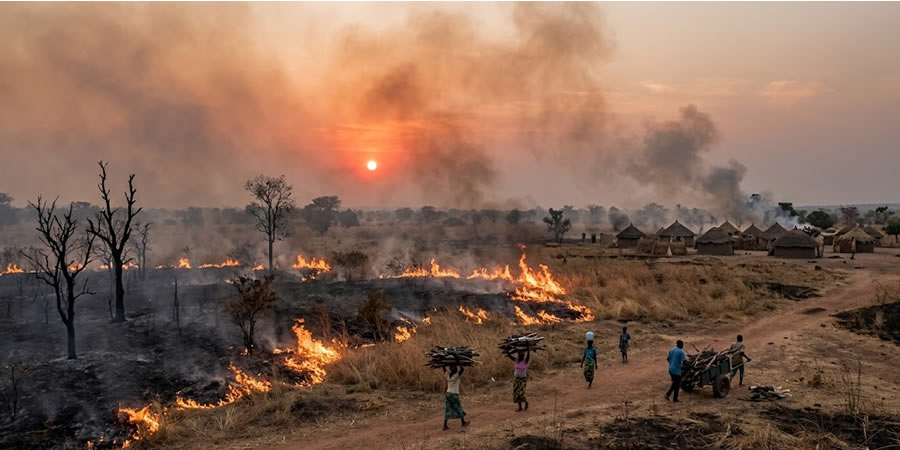
The name Homowo captures a communal response to famine and scarcity, followed by a celebrated abundance. According to Ga oral tradition, a period of hardship galvanized a determined effort to increase food production, culminating in a harvest that was deemed a divine blessing. The festival thus commemorates resilience, generosity, and the Ga people’s enduring capacity to unite in celebration after hardship. Today, Homowo stands as a cultural touchstone that links generations, weaving memory, gratitude, and social solidarity into a single, shared ritual.
Cultural Expressions and Public Display
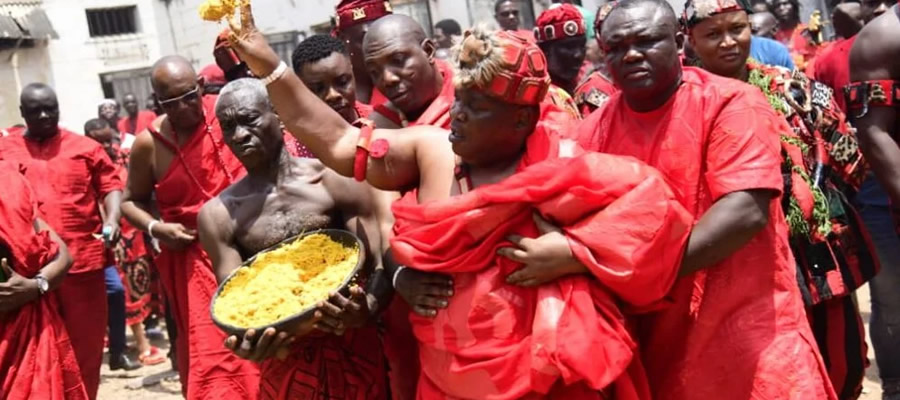
Homowo is a multisensory experience, rich with traditional dance, drumming, masquerade performances, and ceremonial rites. Spectacular displays of drum ensembles—drums of various shapes and timbres—provide the rhythmic heartbeat of the celebrations, inviting participation from dancers and onlookers alike. A key moment in many processions is the pouring of libations, a gesture of reverence to ancestors and deities, underscoring the festival’s spiritual dimension even as it welcomes modern audiences.
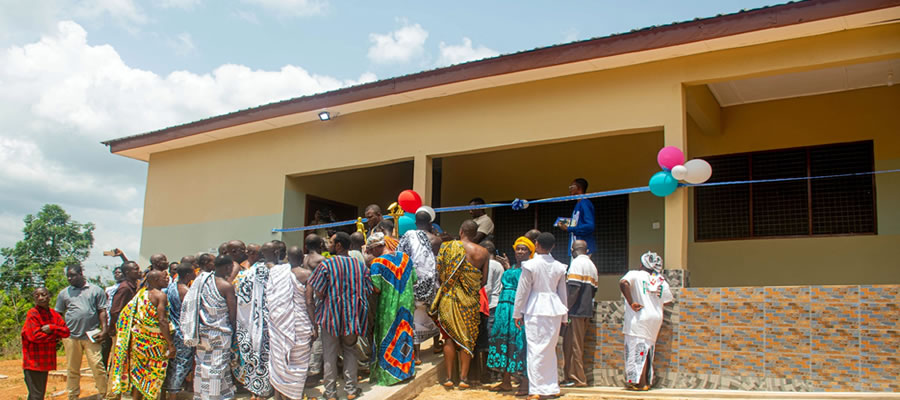
Beads and attire are prominent, with beadwork spanning ceremonial to festive forms. Distinctive African dress, often featuring bright colors and intricate patterns, enhances the visual tapestry of the celebrations and serves as a living gallery of Ga aesthetics. In many venues, visitors can observe or participate in craft demonstrations that showcase beadmaking techniques, weaving, and fabric embellishment—opportunities that reflect the festival’s role as a living marketplace of Ga artistry.
Language, history, and learning
While Ga is the primary language of the Ga North area, the festival corridor is a linguistic mosaic. Ewe and Fanti are commonly heard in the wider region, and Twi serves as a bridge language in many communities, enabling broader engagement with visitors. Public education efforts accompany the festival, offering context on origins, rituals, and contemporary significance. Guided experiences illuminate language, music, ceremony, and daily life, helping residents and visitors alike appreciate how history informs present-day Ga culture..jpg)
Tourism and Economic Impact
Homowo’s growing profile has made it a meaningful driver of tourism in Ga North. Hospitality providers—hotels, guesthouses, and restaurants—report increased bookings during the festival period, with many extending offerings to accommodate international guests. Local markets benefit from a surge in demand as visitors browse stalls featuring Ga crafts, textiles, and culinary specialties. Tour operators and cultural groups organize guided tours and demonstrations, enabling travelers to engage deeply with Ga history, language, and ceremonial practices.
Timing and Seasonal Context
The festival typically unfolds in August, though festival activities may begin in late July or stretch into September. Historical records suggest that the full observance of Homowo was celebrated across the Ga District into late September in certain years, notably 1888, underscoring the festival’s enduring regional significance. The timing allows for a broad range of experiences—from daytime parades and demonstrations to evening performances and late-night gatherings—accommodating diverse interests and schedules for locals and visitors alike..jpg)
Community and Public Engagement
Organizers and cultural institutions actively welcome inquiries from tourists interested in guided experiences. These programs include language introductions, explanations of traditional music and dance, and insights into ceremonial practices. The festival also functions as a platform for community dialogue, intergenerational exchange, and the passing down of customary knowledge, ensuring that Ga culture remains vibrant and accessible to younger generations.
Sustainability and Responsible Travel
As Homowo attracts more international visitors, it also invites a focus on sustainable and respectful travel. Responsible engagement means observing cultural protocols, supporting local artisans, and ensuring that performances and demonstrations are accessed with consent and appreciation for community norms. Visitors are encouraged to participate in authentic experiences—such as traditional beadmaking, drum demonstrations, and storytelling—while honoring the festival’s spiritual and communal dimensions.
Historic Significance and Legacy
Homowo’s endurance reflects the Ga people’s resilience and the community’s commitment to shared celebration. The festival bridges past and present, allowing residents and guests to partake in a living tradition that honors ancestors, celebrates abundance, and affirms social bonds. In Ga North, Homowo is more than a spectacle; it is a communal manifesto written in rhythm, color, and collective memory.
Other stories

Local Gov Ministry
Int of Local Gov Studies
Ministry of Information
Local Gov Service
Ghana MPs
Ghana Hospitals
NALAG
 facebook
 X
X
 Youtube
 instagram
 whatsapp
 +233 593 831 280
+233 20 230 9497
+233 593 831 280
+233 20 230 9497 0800 430 430
 GPS: GE-231-4383
 info@ghanadistricts.com
 Box GP1044, Accra, Ghana