- Item


Strengthening Health Governance in Nzema East: An Overview of Sub-Municipals and Health Facilities
Date Created : 11/10/2025 1:40:02 AM : Story Author : Ghanadistricts.com
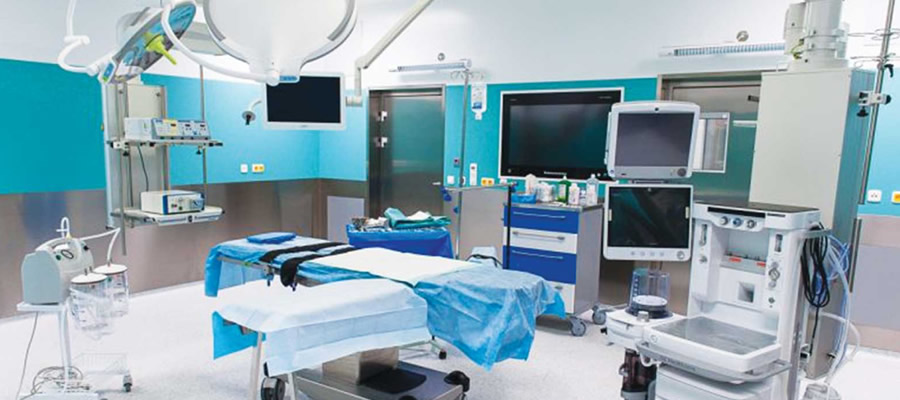
The municipality is organized administratively into seven Sub-Municipals to manage health services more effectively at the local level. Presently, the health landscape is characterized by the absence of private health facilities within the municipality, with all health services provided through government-owned facilities. This structure shapes how health policy, resource allocation, and service delivery are planned and implemented for the benefit of communities across the Sub-Municipals.
Administrative Structure: Seven Sub-Municipals
To enhance governance, accountability, and the delivery of health services, Nzema East is divided into seven Sub-Municipals. Each Sub-M Municipal operates as a focused unit within the broader municipal health system, coordinating facilities, personnel, and community outreach programs to align with national health priorities and local needs. The sub-mistrict approach enables more precise data collection, responsive service delivery, and closer engagement with residents.
Health Facilities Across Sub-Municipals
A key feature of Nzema East’s health system is the distribution of health facilities across the seven Sub-Municipals. Notably, at present, there are no private health facilities operating within the municipality; all health care infrastructure is government-owned. This public ownership framework has implications for funding, access, and policy implementation, as well as for how residents experience health care—from primary care to essential services.
Health Facilities in the Municipality
Implications for Access and Service Delivery
- Access and Coverage: A seven-sub-municipal framework can improve access by situating facilities closer to communities. However, the effectiveness of this structure depends on factors such as road networks, transportation options, and population density in each sub-municipal area.
- Quality and Accountability: Government-owned facilities require robust governance mechanisms to maintain and improve quality of care. Transparent reporting, regular facility audits, and community feedback mechanisms are essential to ensure standards are met and sustained.
- Workforce and Training: The public system must ensure an adequate and well-trained health workforce across all sub-municipals. This includes ongoing professional development, retention strategies, and equitable deployment of staff to meet local needs.
- Funding and Sustainability: The reliance on government-owned facilities places emphasis on national and municipal budgeting, as well as potential partnerships with development programs. Sustainable financing is crucial for equipment, medicines, and facility maintenance.
Challenges and Opportunities
- Capacity Gaps: Some sub-municipals may experience higher demand than others, leading to wait times or stretched resources. Targeted investments can address gaps where needs are greatest.
- Private Sector Role: The absence of private facilities presents an opportunity to explore public-private partnerships, if policy and regulatory frameworks permit, to augment service delivery while maintaining public oversight and affordability.
- Community Engagement: Engaging residents in planning and feedback processes helps tailor services to real-world needs and increases trust in the health system.
Other stories




Local Gov Ministry
Int of Local Gov Studies
Ministry of Information
Local Gov Service
Ghana MPs
Ghana Hospitals
NALAG
 facebook
 X
X
 Youtube
 instagram
 whatsapp
 +233 593 831 280
+233 20 230 9497
+233 593 831 280
+233 20 230 9497 0800 430 430
 GPS: GE-231-4383
 info@ghanadistricts.com
 Box GP1044, Accra, Ghana