- Item

Oforikrom’s Markets: From Onion Hubs to Organic Farmers’ Market
A Thriving Market Culture in Oforikrom: The Oforikrom Municipality has a vibrant marketplace system that supports both daily trading and organized monthly sales. In total, there are about eight daily markets spread across the municipality, each serving different communities and traders. These markets are not only trading points but also social and cultural spaces where farmers, buyers, and residents connect.
Date Created : 10/23/2025 4:26:29 AM : Story Author : Ghanadistricts.com
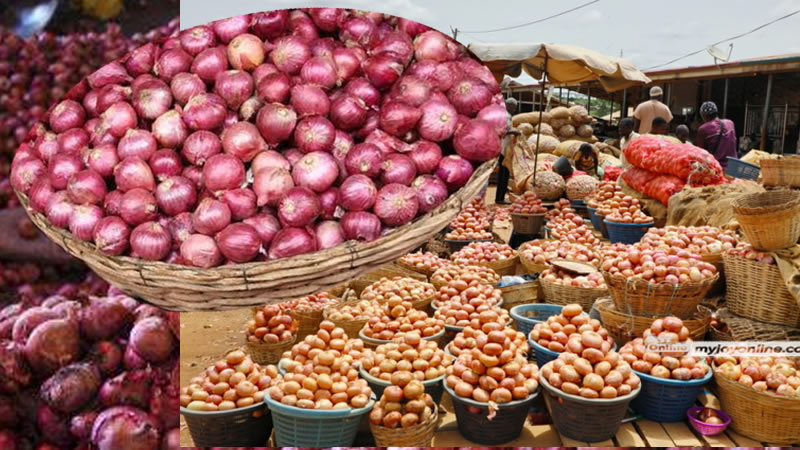
The Onion Market at Anloga
One of the most popular trading hubs is the Onion Market located at Anloga. This market is widely known for its large volumes of onion sales, attracting buyers and traders from both within and outside the municipality. The Onion Market has become an essential part of Oforikrom’s economy, creating jobs and supporting the livelihoods of hundreds of families.
One of the most popular trading hubs is the Onion Market located at Anloga. This market is widely known for its large volumes of onion sales, attracting buyers and traders from both within and outside the municipality. The Onion Market has become an essential part of Oforikrom’s economy, creating jobs and supporting the livelihoods of hundreds of families.
Monthly Organic Farmers’ Market
In addition to daily markets, the Assembly has introduced a monthly farmers’ market at its forecourt. This special initiative gives local farmers the opportunity to showcase and sell their organic farm produce directly to consumers. It also helps promote healthy eating and encourages the consumption of fresh, chemical-free food within the municipality.
Other Daily Markets Across Oforikrom
Beyond the Onion Market, other active trading centers include:
• Ayigya Market (including Tech Junction) – a busy hub serving students, residents, and travelers.
• Nsenie Market – popular for household goods and fresh produce.
• Anwomaso and Ayeduase Markets – providing convenient access to daily needs in residential communities.
• Kotei Market and Main Anloga Market – vibrant spaces that connect traders to larger supply chains.
Strengthening Local Trade and Economy
The network of daily and monthly markets highlights Oforikrom’s strong trading culture and its role in Ghana’s urban economy. By supporting both small-scale farmers and large-volume traders, the municipality is creating opportunities for economic growth, employment, and food security.
With continued investment in infrastructure, sanitation, and organization, these markets have the potential to become models of sustainable urban trading in Ghana.
Other stories



GoG Portal
Local Gov Ministry
Int of Local Gov Studies
Ministry of Information
Local Gov Service
Ghana MPs
Ghana Hospitals
NALAG
Local Gov Ministry
Int of Local Gov Studies
Ministry of Information
Local Gov Service
Ghana MPs
Ghana Hospitals
NALAG
 facebook
 X
X
 Youtube
 instagram
 whatsapp
 +233 593 831 280
+233 20 230 9497
+233 593 831 280
+233 20 230 9497 0800 430 430
 GPS: GE-231-4383
 info@ghanadistricts.com
 Box GP1044, Accra, Ghana