- Item


Agriculture, Irrigation and rain-fed farming mechanization in the Kpandai District
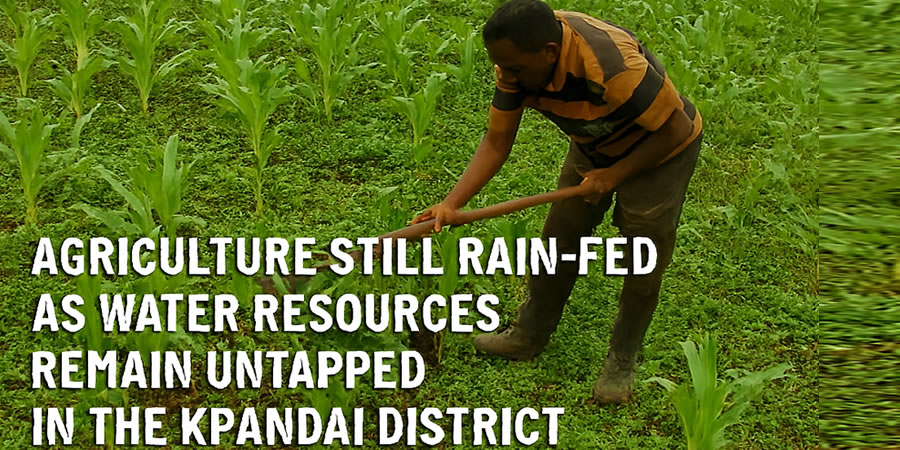
Date Created : 12/18/2025 3:58:39 AM : Story Author : Ghanadistricts.com
Key Stats at a Glance
Primary livelihood: Agriculture, forestry, and fishery engage 85.7% of residents
Gender breakdown in farming: 92.4% of men and 78.9% of women are farmers
Farming spectrum: Crop farming, fishing, and livestock rearing
Mechanization gap: Farming is largely non-mechanized and rain-fed
Irrigation reality: Large water resources exist, but irrigation adoption is minimal due to lack of facilities and limited irrigation knowledge
In the heart of the Kpandai District, farming is not just an occupation—it’s the lifeblood of communities. Yet farmers face a stubborn reality: their tools are crude, yields are hampered by inefficient methods, and the district remains largely non-mechanized. The rain-fed system, while traditional and familiar, is increasingly inconsistent in a changing climate, threatening food security and income for many households.
Meanwhile, the district sits on a potential irrigation goldmine. Enormous water resources could transform farming from subsistence to profitable commercial farming—if irrigation systems and training are put in place. The absence of irrigation facilities and limited knowledge about irrigation development are the primary roadblocks.
What Needs to Happen
Invest in irrigation infrastructure: Canals, pumps, moisture management systems, and storage to unlock year-round farming
Promote farming mechanization: Access to affordable tractors, seeders, and harvesters to boost productivity
Farmer training programs: Hands-on training in irrigation techniques, soil management, and climate-smart farming
Public-private partnerships: Collaboration with agri-businesses to finance and sustain irrigation and mechanization
Gender-inclusive programs: Support for both male and female farmers to maximize output and resilience
Impact for the Community
Increased yields and more reliable harvests
Higher household incomes and job creation in agro-value chains
Enhanced food security and local market growth
Sustainable farming practices with better water use efficiency
Unlocking irrigation in Kpandai could double our yields and stabilize farmers’ income.
Modern tools and knowledge are the bridges from rain-fed farming to resilient agriculture.
Agriculture, irrigation and rain-fed farming mechanization in the Kpandai District.
Other stories


Local Gov Ministry
Int of Local Gov Studies
Ministry of Information
Local Gov Service
Ghana MPs
Ghana Hospitals
NALAG
 facebook
 X
X
 Youtube
 instagram
 whatsapp
 +233 593 831 280
+233 20 230 9497
+233 593 831 280
+233 20 230 9497 0800 430 430
 GPS: GE-231-4383
 info@ghanadistricts.com
 Box GP1044, Accra, Ghana