- Item


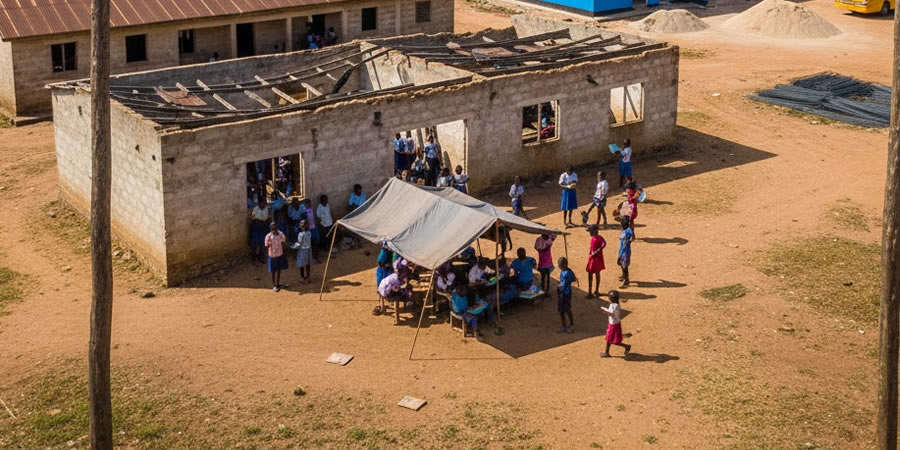
Education in Focus: Asutifi North's schools need infrastructure boost
Date Created : 1/26/2026 4:27:32 AM : Story Author : Ernestina Mensah/Ghanadistricts.com
Here’s the breakdown, the gaps, and what’s next for the district’s learning landscape.
School landscape in numbers
Total basic schools: 241
Public: 159
Private: 82
Level breakdown:
Nursery: 86
Primary: 86
Junior Secondary: 66
Senior Secondary: 3
Vocational institute: 1
Tertiary institution: 1
Notable gap areas: dormitory blocks (gender-inclusive), classroom blocks, science laboratories, and school furniture across senior high schools
Current challenges and implications
Dormitory deficits: Inadequate student housing strains daily commuting, affects attendance, and raises health and safety concerns, particularly for boarding SHS students.
Classroom and lab shortfall: Limited++, meaning crowded classrooms and constrained practical science learning, hindering practical exposure and STEM uptake.
Furniture gaps: Insufficient desks, chairs, and instructional furniture hamper effective teaching and learning environments.
Opportunities and potential impact
Enrollment and retention: Improved infrastructure could boost enrollment, reduce dropouts, and enhance performance across senior high schools.
STEM uplift: Expanding science labs and equipment will support practical experiments, critical thinking, and innovation among students.
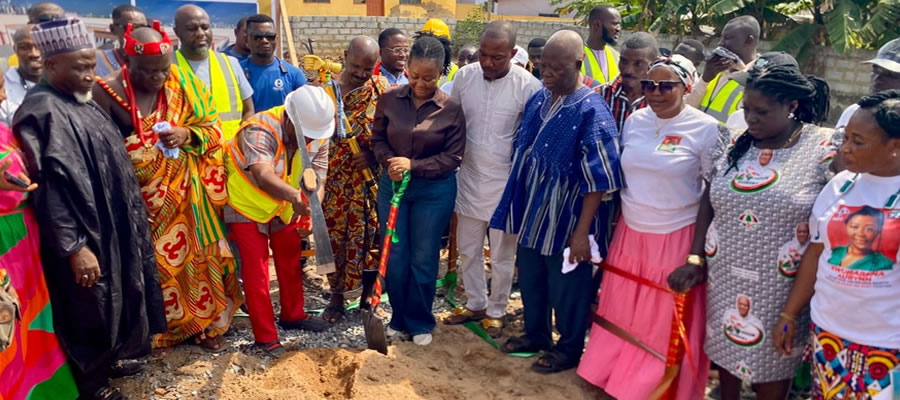
Local economy: School upgrades can stimulate construction activity, create jobs, and spur local supply chains for educational materials and furniture.
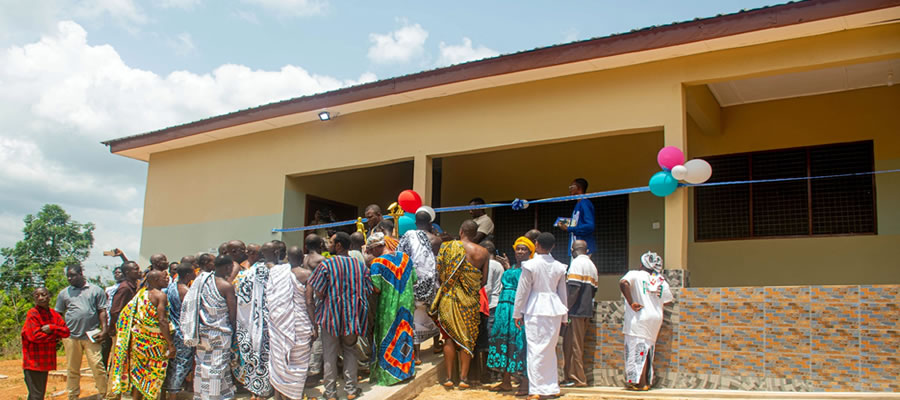
Asutifi North’s education footprint is broad and active, reflecting a strong priority on access to basic education. However, to translate access into excellence, targeted upgrades in dormitories, classrooms, science labs, and furniture are essential—especially for senior high schools that shoulder a growing demand for quality STEM education.
Other stories

Local Gov Ministry
Int of Local Gov Studies
Ministry of Information
Local Gov Service
Ghana MPs
Ghana Hospitals
NALAG
 facebook
 X
X
 Youtube
 instagram
 whatsapp
 +233 593 831 280
+233 20 230 9497
+233 593 831 280
+233 20 230 9497 0800 430 430
 GPS: GE-231-4383
 info@ghanadistricts.com
 Box GP1044, Accra, Ghana