- Item


Finance Takes Center Stage: Assembly Members' Concerns Examined
Date Created : 10/6/2025 4:14:29 AM : Story Author : Ghanadistricts.com
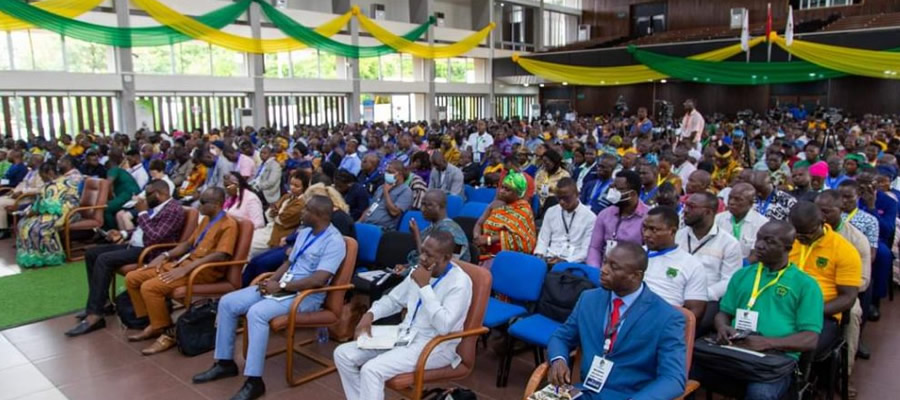
A significant 753 assembly members identified finance as either their top-most problem or ranked it as their second or third most critical issue. This strong emphasis on financial matters highlights the pervasive influence of economic factors on the day-to-day work and strategic focus of these elected officials.
This finding warrants a closer examination of the specific financial challenges assembly members are grappling with. The data implies a broad spectrum of concerns, including, but not limited to:
• Budgetary pressures: The allocation of resources and the constant balancing act of meeting community needs within budgetary constraints. This includes navigating the complexities of revenue generation, expenditure management, and the prioritization of essential services.
• Economic development initiatives: The pursuit of financial growth and the creation of economic opportunities within their constituencies. This involves attracting investment, supporting local businesses, and fostering job creation.
• Fiscal responsibility and accountability: Ensuring the responsible and transparent use of public funds. This encompasses oversight of spending, preventing waste, and maintaining the public's trust.
• Financial planning and sustainability: Addressing the long-term financial health and stability of their communities. This includes strategic planning for infrastructure, education, healthcare, and other vital services.
• Impact of external economic factors: Dealing with the effects of inflation, economic downturns, and other external pressures on local economies and public finances.
Government’s intervention of providing allowances to assembly members can significantly address the financial concerns highlighted by the 753 assembly members who identified finance as a top priority. Here’s how these allowances can help:
1. Financial Stability
Direct Support: Allowances provide assembly members with a stable income, reducing their financial stress and enabling them to focus on their legislative duties without the burden of personal financial issues.
Resource Allocation: With a guaranteed allowance, assembly members can allocate resources more effectively to their constituencies, ensuring that community needs are met.
2. Enhanced Governance
Empowerment: Financial support empowers assembly members to engage more actively in governance, as they are less likely to be distracted by financial insecurity.
Increased Accountability: With proper compensation, assembly members may feel more accountable to their constituents, leading to improved transparency and governance.
3. Attracting Talent
Encouraging Participation: Adequate allowances can attract more qualified individuals to run for assembly positions, enhancing the overall quality of governance.
Diverse Representation: Financial support can encourage participation from a broader demographic, ensuring that various community voices are represented.
4. Addressing Community Needs
Funding Local Initiatives: With financial stability, assembly members can fund local projects and initiatives that address pressing community issues, such as infrastructure, education, and healthcare.
Economic Development: Allowances can enable assembly members to invest in economic development initiatives, fostering growth and job creation in their constituencies.
5. Long-term Sustainability
Planning for the Future: Regular allowances allow assembly members to engage in long-term financial planning for their communities, ensuring sustainable development and resource management.
Building Trust: Consistent financial support can build trust between assembly members and their constituents, as it demonstrates a commitment to their roles and responsibilities.
Conclusion
In summary, government intervention through the provision of allowances to assembly members can play a crucial role in alleviating financial concerns, enhancing governance, and ultimately improving the well-being of the communities they serve. This approach not only addresses immediate financial issues but also lays the groundwork for sustainable development and effective local governance.
Other stories




Local Gov Ministry
Int of Local Gov Studies
Ministry of Information
Local Gov Service
Ghana MPs
Ghana Hospitals
NALAG
 facebook
 X
X
 Youtube
 instagram
 whatsapp
 +233 593 831 280
+233 20 230 9497
+233 593 831 280
+233 20 230 9497 0800 430 430
 GPS: GE-231-4383
 info@ghanadistricts.com
 Box GP1044, Accra, Ghana