- Item

GENERAL
Gomoa East Battles Water Shortages as Waste Disposal Challenges Deepen
Date Created : 4/23/2026 : Story Author : Ernestina Mensah/Ghanandistricts.com
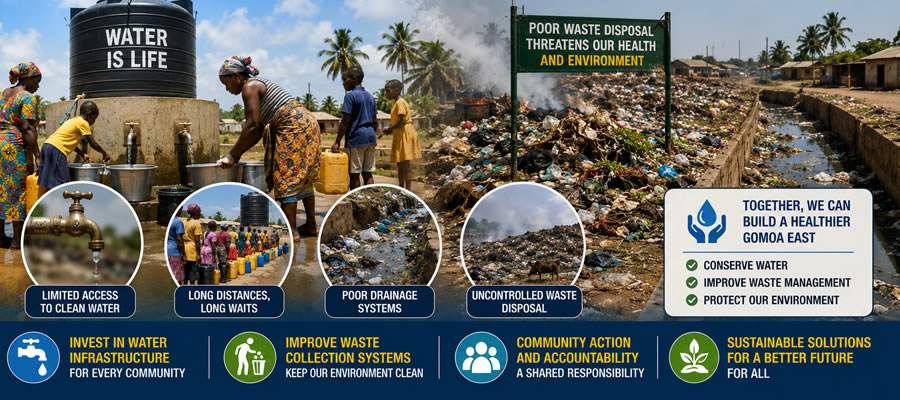
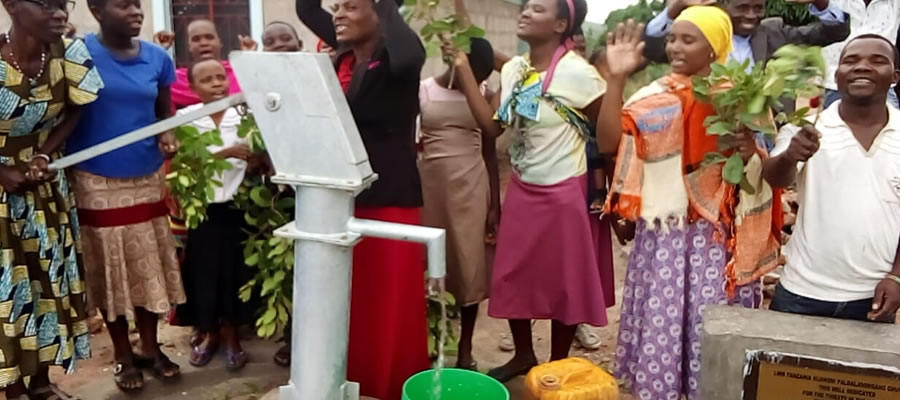
Despite the Metropolis’s rapid growth and expanding communities, access to pipe-borne water remains alarmingly low, especially in deprived rural areas where many residents still rely on rivers and streams for daily survival.
According to district data, only 2.5 percent of rural deprived localities in Gomoa East currently have access to pipe-borne water. This means a significant number of communities continue to face severe water insecurity for both domestic and commercial activities.
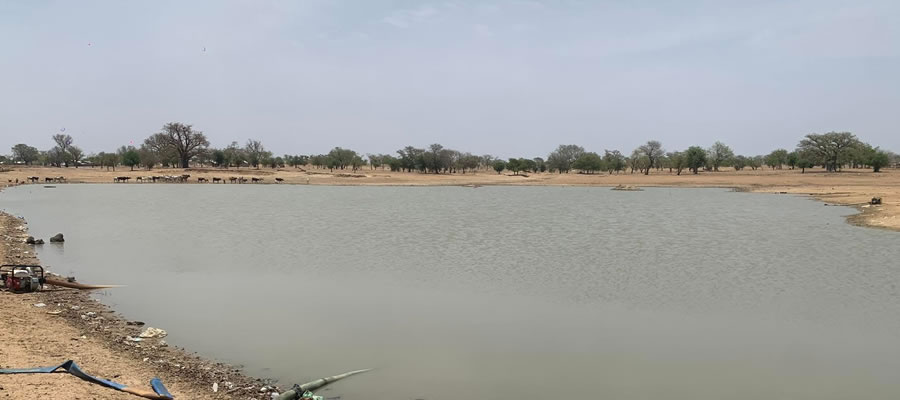
Even more concernin is that about 23 percent of rural localities depend on rivers and streams as their primary source of water due to the absence of safe water facilities such as boreholes.
Residents say the situation becomes worse during the dry season when water sources shrink, forcing households to travel long distances in search of water for drinking, cooking, and other household activities.
Health experts warn that dependence on unsafe water sources increases the risk of waterborne diseases and poses a major public health threat to vulnerable communities, particularly children and the elderly.
Sanitation challenges are equally putting pressure on the district’s development efforts.
The Gomoa East Metropolitan Assembly currently has only one designated final waste disposal site located at Gomoa Kofi Ahor, but the site has not yet been developed for effective use.
This effectively means that the Metropolis lacks a fully functional final disposal site, forcing all refuse generated from households, markets, and institutions to be transported outside the Metropolis for disposal.
Authorities say the absence of a developed disposal facility increases operational costs and complicates waste management activities within the Metropolis.
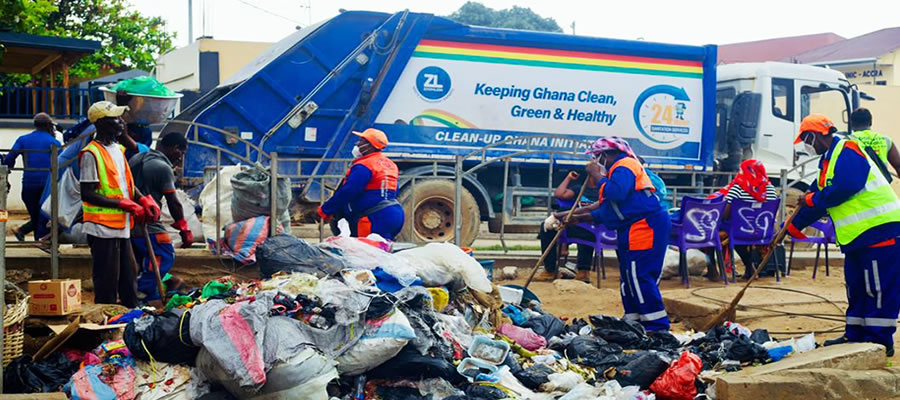
To improve sanitation management, seven solid waste contractors are currently operating within Gomoa East to support refuse collection and environmental cleanliness.
With assistance from Zoomlion Ghana Limited and the Ministry of Local Government, Decentralisation and Rural Development, several dustbins have also been placed at strategic locations across the district to facilitate proper waste disposal.
In addition, the Metropolitan Assembly has introduced door-to-door refuse collection services as part of efforts to improve sanitation and reduce indiscriminate dumping of waste.
However, many residents believe more investment is needed in sanitation infrastructure, drainage systems, public education, and waste recycling initiatives to fully address the growing sanitation concerns.
Development experts say improving access to potable water and sanitation services is critical not only for public health but also for economic growth, education, tourism, and environmental sustainability.
As Gomoa East continues to expand, stakeholders insist that solving the Metropolis’s water and sanitation challenges must remain a top development priority.
Other Stories
Local Gov Ministry
Int of Local Gov Studies
Ministry of Information
Local Gov Service
Ghana MPs
Ghana Hospitals
NALAG
 facebook
 X
X
 Youtube
 instagram
 whatsapp
 +233 593 831 280
+233 20 230 9497
+233 593 831 280
+233 20 230 9497 0800 430 430
 GPS: GE-231-4383
 info@ghanadistricts.com
 Box GP1044, Accra, Ghana