- Item


SOCIAL
Increased DACF Allocation Boosting Livelihoods of PWDs in Krachi East – MCE
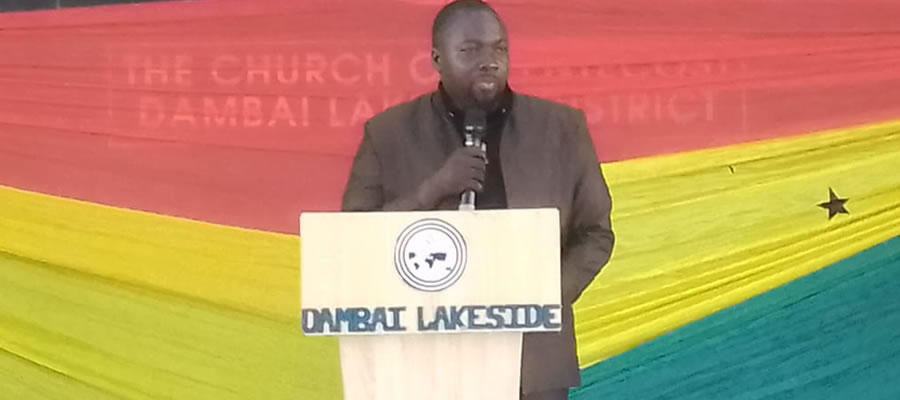
Date Created : 8/31/2026 : Story Author : Ghanadistricts.com
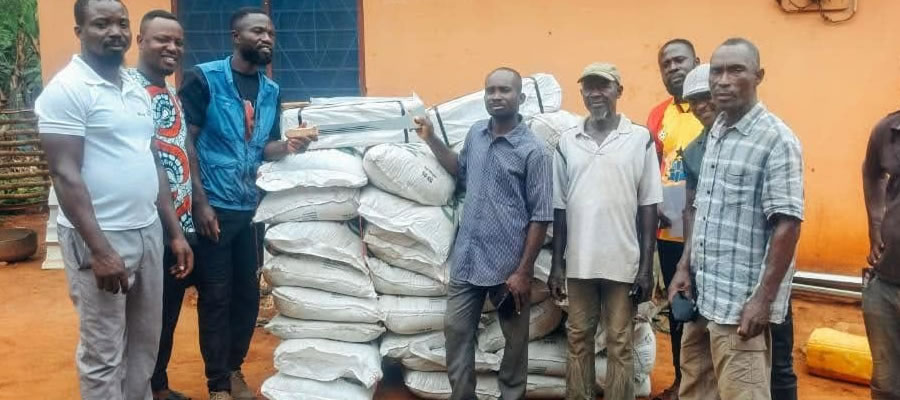
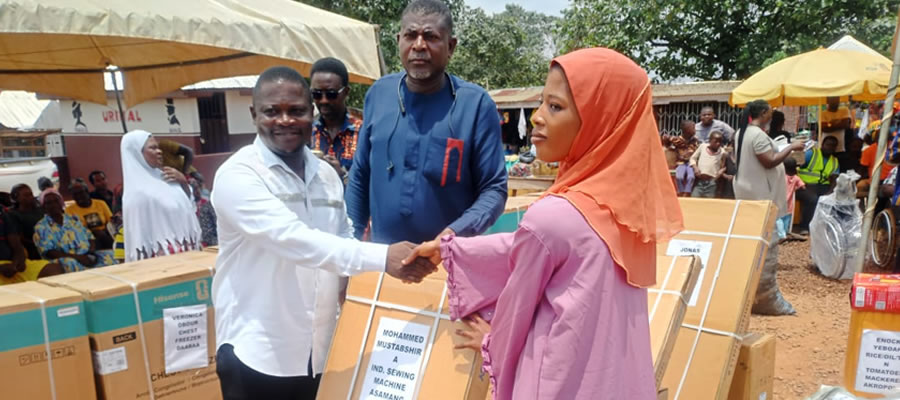
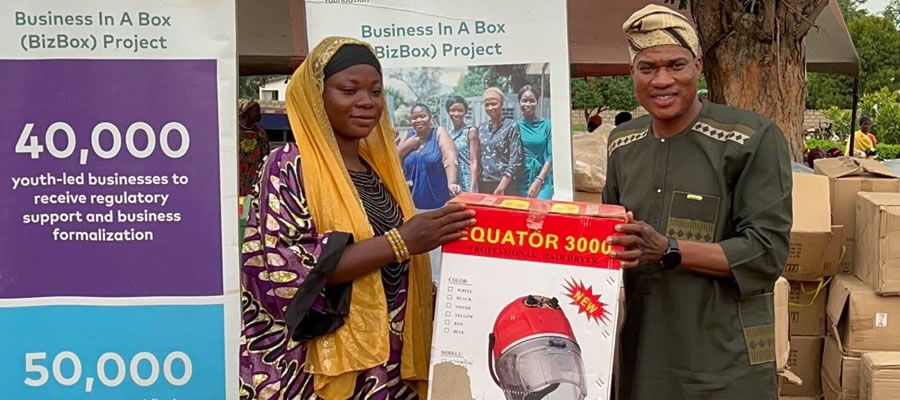
He said the increased allocation had strengthened the Assembly’s capacity to provide sustainable livelihood support to PWDs, enabling more beneficiaries to acquire tools, equipment and other resources to expand their income-generating activities.
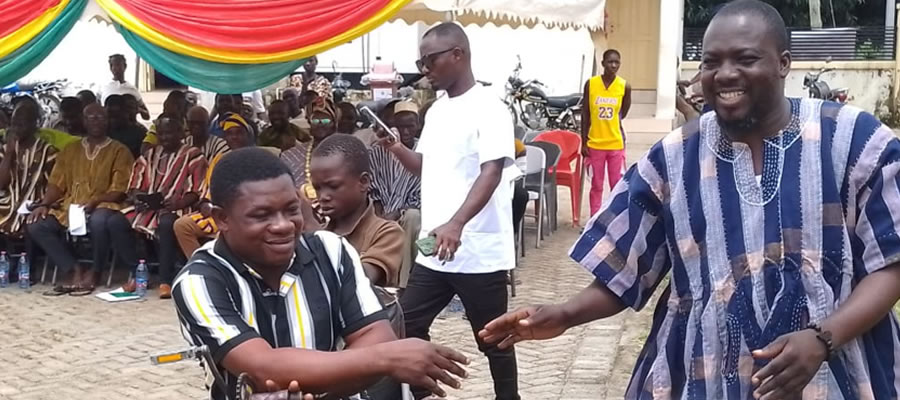
Mr Nketia disclosed this in an interview at Dambai following the Assembly’s recent engagement with PWDs and the distribution of livelihood support.
He said the initiative formed part of the Government’s broader commitment to promoting social inclusion, reducing economic vulnerabilities and creating equal opportunities for persons with disabilities to participate meaningfully in community development.
According to the MCE, the support had gradually moved beyond the provision of immediate assistance to focus on economic empowerment, skills development and sustainable livelihoods.
He said beneficiaries were supported based on their identified needs and areas of economic interest, including vocational activities, petty trading, farming and other small-scale enterprises.
Mr Nketia noted that when adequately resourced and given the necessary opportunities, PWDs could become economically independent and contribute significantly to the development of their families and communities.
He commended members of the Assembly and other stakeholders for supporting initiatives aimed at improving the welfare of PWDs and urged beneficiaries to use the assistance responsibly to generate sustainable income.
The MCE also encouraged PWDs who had not yet benefited from the programme to engage the appropriate structures of the Assembly and register their needs for consideration under future interventions.
He stressed the need for continued collaboration among the Government, Metropolitan, Municipal and District Assemblies, disability organisations, traditional authorities and other stakeholders to address the barriers confronting PWDs.
Mr Nketia said the Assembly would continue to prioritise programmes that promoted inclusiveness and ensured that no person was excluded from development opportunities because of disability.
He called on the public to support the rights and aspirations of PWDs by creating an enabling environment for them to access education, employment, entrepreneurship opportunities and social services.
The MCE reaffirmed the Assembly’s commitment to ensuring that resources allocated to PWDs were used transparently and effectively to produce measurable improvements in their livelihoods and overall well-being.
Mr Emmanuel Donkor, President of the Oti Regional Chapter of the Ghana Federation of Disability Organisations (GFD), has called for dedicated government support to enable persons with disabilities to access agricultural interventions and improve their economic empowerment.
Mr Donkor, in an interview with the Ghana News Agency, expressed concern about the challenges PWDs faced in accessing government agricultural programmes, including the provision of fertilisers and other farming inputs.
He said although such government policies and programmes were commendable, PWDs sometimes faced difficulties accessing them because their specific needs were not adequately considered during implementation.
He therefore called on the Government to reserve portions of agricultural inputs, equipment and implements specifically for PWDs to enable them to participate meaningfully in farming and other livelihood activities.
Mr Donkor said targeted interventions would complement existing efforts to improve the livelihoods of PWDs and reduce their dependence on social support.
He explained that economic empowerment would not only improve the living conditions of persons with disabilities but also enable them to contribute more actively to the development of their families and communities.
He commended the Government for policies aimed at improving the welfare of PWDs and urged greater inclusion of disability organisations and beneficiaries in the design and implementation of such programmes.
Mr Donkor said ensuring that PWDs benefited equitably from agricultural and other economic interventions would help promote social inclusion and ensure that no one was left behind in the country’s development efforts.
Other Stories
Local Gov Ministry
Int of Local Gov Studies
Ministry of Information
Local Gov Service
Ghana MPs
Ghana Hospitals
NALAG
 facebook
 X
X
 Youtube
 instagram
 whatsapp
 +233 593 831 280
+233 20 230 9497
+233 593 831 280
+233 20 230 9497 0800 430 430
 GPS: GE-231-4383
 info@ghanadistricts.com
 Box GP1044, Accra, Ghana