- Item


ENVIRONMENT
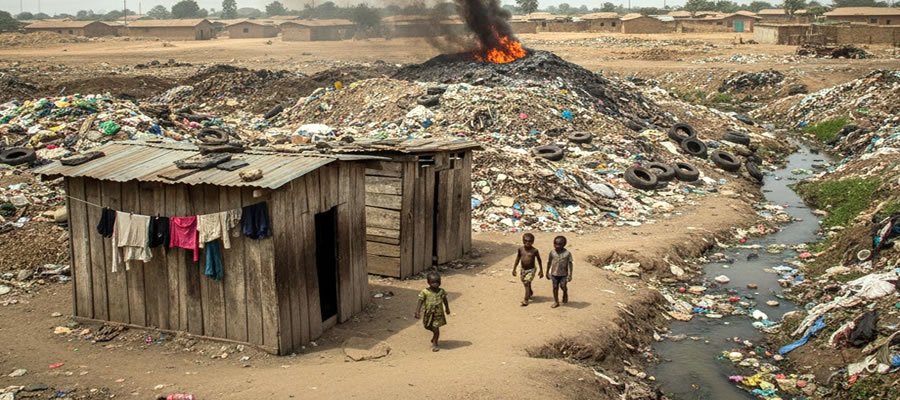
Amenfi Central: Pit Latrines, Open Defecation and Poor Waste Management Threaten Public Health
Date Created : 12/3/2025 : Story Author : Mary Ayertey/Ghanadistricts.com
Data indicates that 48.8 percent of households depend on pit latrines, while 37.3 percent use public toilets such as WC, KVIP, or pan latrines.
Alarmingly, 8.6 percent of households have no toilet facilities at all, forcing residents to resort to open defecation in bushes and open spaces. Only 1.1 percent of households have access to modern WC facilities, underscoring the urgent need for improved sanitation infrastructure across the district.
The situation is particularly concerning in rural communities, where more than half of households (51.2 percent) rely on pit latrines. In urban areas, 40.8 percent of households depend on public toilets, while 35.4 percent use pit latrines. This divide highlights the limited access to improved facilities in rural settings, where open defecation remains more common and poses serious health risks.
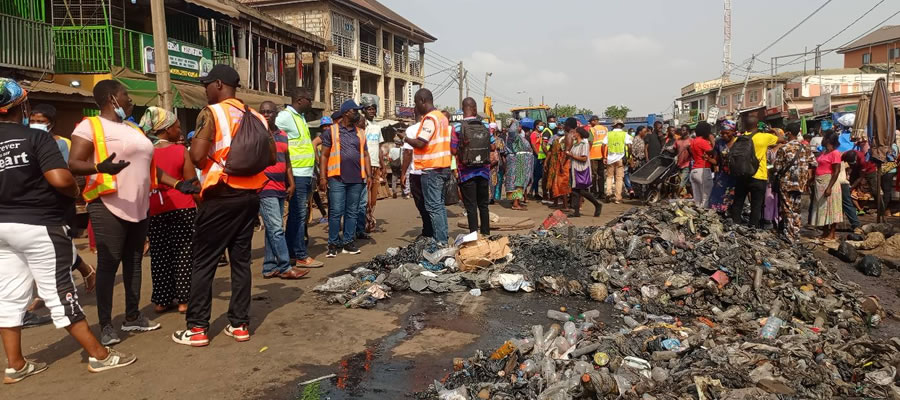
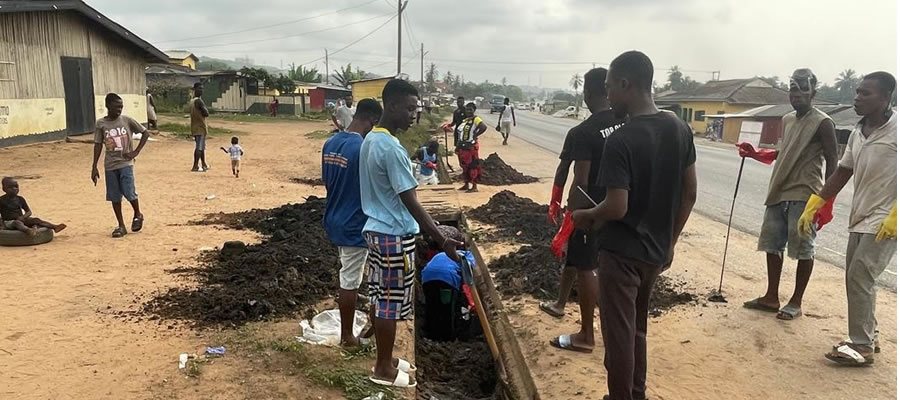
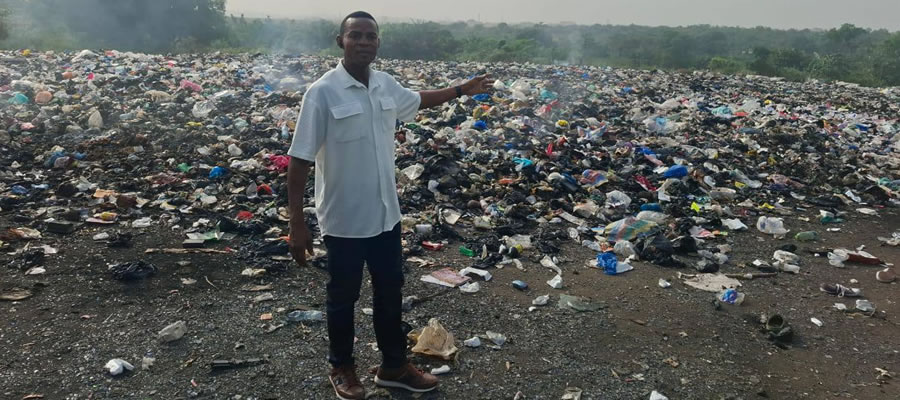
Waste disposal practices further compound the sanitation crisis. A significant 68.9 percent of households dispose of solid waste in public dumps, while 19.1 percent dump indiscriminately, creating environmental hazards and breeding grounds for disease. District authorities currently collect only 1.9 percent of solid waste generated, leaving the majority unmanaged.
Liquid waste disposal is equally troubling, with many rural households throwing waste directly onto compounds, leading to unsanitary conditions and contamination risks.
Local authorities are making efforts to sensitise citizens on the importance of household latrines and good hygiene practices. Campaigns are being rolled out to encourage communities to adopt improved sanitation methods and reduce reliance on public toilets. However, without stronger investment in sanitation infrastructure, waste collection systems, and enforcement of hygiene regulations, progress will remain slow.
Other Stories





Local Gov Ministry
Int of Local Gov Studies
Ministry of Information
Local Gov Service
Ghana MPs
Ghana Hospitals
NALAG
 facebook
 X
X
 Youtube
 instagram
 +233 593 831 280
+233 20 230 9497
+233 593 831 280
+233 20 230 9497 0800 430 430
 GPS: GE-231-4383
 info@ghanadistricts.com
 Box GP1044, Accra, Ghana