- Item


POLITICS
Renowned Lawyer Proposes Electing MMDCEs to Boost Local Governance
Calls for a major shift in Ghana’s local governance structure took center stage at the Speaker’s Breakfast Forum, with a veteran lawyer arguing that the current system of appointing District Chief Executives is failing the people.
Date Created : 3/5/2026 : Story Author : Ghanadistricts.com
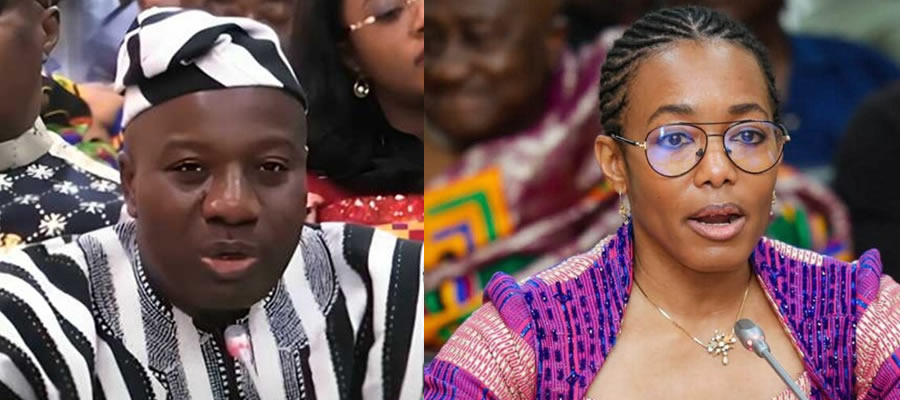
In a powerful push to amend the country's governance framework, Veteran lawyer Sam Okudzeto said it is time the country started electing Metropolitan, Municipal, and District Chief Executives (MMDCEs) rather than the President appointing them.
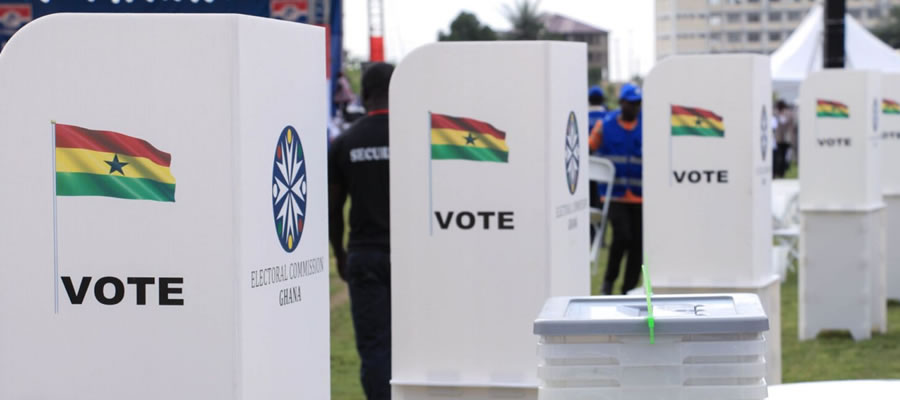
Lawyer Sam Okudzeto made the case at the Speaker’s Breakfast Forum in Accra on Wednesday, arguing that an election would force MMDCEs to be more responsive and accountable to local residents.
When you are appointed from above, your loyalty tends to go upwards. To truly serve the people and be accountable to them, the choice must be placed directly in their hands,” Mr. Okudzeto stated at the event, held at the Palms Hotel under the theme “Parliamentary Decentralization: Taking Parliament Closer to the People.”
His remarks were strongly backed by the Chairperson of the National Commission for Civic Education (NCCE), Kathleen Addy. She described the election of MMDCEs as a "major step" that would significantly deepen the decentralization process and empower grassroots communities.
Parliament Moves to Bridge the Gap
The forum also served as a platform to announce tangible steps being taken by the legislature to connect with citizens.
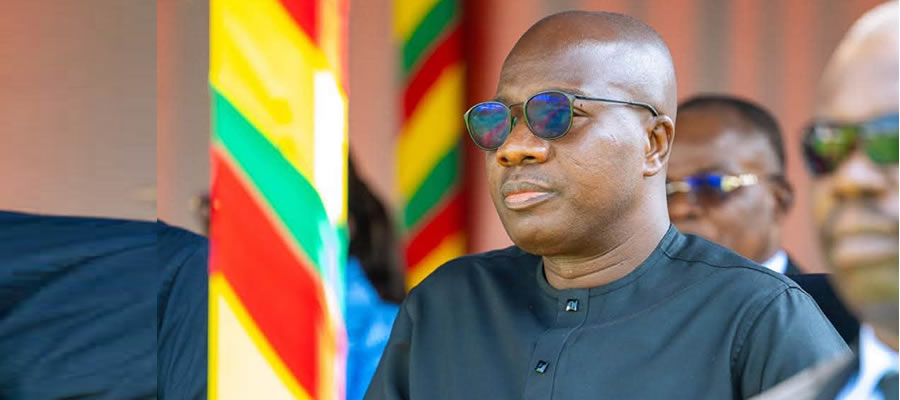
Second Deputy Speaker Andrew Asiamah Amoako revealed practical administrative reforms aimed at bridging the gap between Parliament and the constituencies. He proposed scheduling Assembly meetings to coincide with parliamentary recesses, which would allow Members of Parliament to participate more fully in local governance without conflict.
In a significant development, Mr. Amoako also disclosed that Parliament has finalized arrangements to establish dedicated administrative offices for MPs in their respective constituencies, with implementation set to begin this year. This move is widely viewed as a critical step toward operationalizing parliamentary decentralization and ensuring lawmakers have the infrastructure to serve their constituents effectively.
A Bipartisan Path Forward
The forum concluded with a strong consensus among participants that deepening decentralization is not just a legal exercise but a multifaceted challenge. Stakeholders agreed that achieving true local governance requires a combination of structural reforms, sustained civic education to inform citizens of their rights, and bipartisan cooperation among political parties. Only through such collaboration, they noted, can Ghana strengthen accountability and truly bring governance closer to the people.
Other Stories
GoG Portal
Local Gov Ministry
Int of Local Gov Studies
Ministry of Information
Local Gov Service
Ghana MPs
Ghana Hospitals
NALAG
Local Gov Ministry
Int of Local Gov Studies
Ministry of Information
Local Gov Service
Ghana MPs
Ghana Hospitals
NALAG
 facebook
 X
X
 Youtube
 instagram
 whatsapp
 +233 593 831 280
+233 20 230 9497
+233 593 831 280
+233 20 230 9497 0800 430 430
 GPS: GE-231-4383
 info@ghanadistricts.com
 Box GP1044, Accra, Ghana