- Item

HEALTH
The Prescription for Africa’s Health Future Lies in Its Own DNA: Why Genomic Sovereignty and Partnerships Like Ghana-Morocco Are Non-Negotiable
Date Created : 7/28/2026 : Story Author : Dominic shirimori/Ghanadistricts.com
Yet prevention, in the age of precision medicine, requires something Africa has historically been denied: its own genomic data. With African populations possessing the world's highest genetic diversity, the continent holds the key to medical breakthroughs that could benefit all of humanity. However, Africa currently accounts for only 2% of data in global genomic databases. The tools and treatments developed using European genetic data often fail or misguide when applied to African populations.
It is time for Africa to take hold of its medical future. And the blueprint for doing so is emerging through collaborations like the Ghana-Morocco partnership—a South-South alliance that proves African nations, by working together, can transform their genetic diversity into health for millions.
The Data Deficit: A Matter of Life and Death
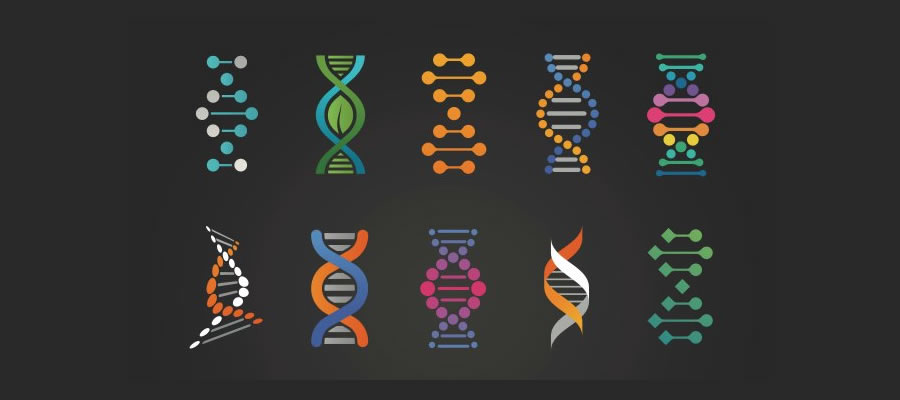
Genomic data is the full set of information found in an organism's DNA—the core biological blueprint for growth, development, and health. Genomic insights allow health systems to act before diseases cascade, transforming reactive care into predictive prevention. For Africa, this is not a luxury; it is an imperative.
Consider this: a standard treatment pill can produce vastly different outcomes in patients due to genetic variations. Hidden genetic variations dictate how our bodies metabolize medications. A "one-size-fits-all" approach, built on data from populations outside Africa, leaves millions unprotected.
The consequences are already visible in the rising tide of NCDs. Without data-driven public health, the cascade is relentless: undetected genetic markers lead to undiagnosed hypertension, which progresses to stroke, kidney disease, and heart failure. Genomic data changes this trajectory by enabling:
· Regional Data Identification: Discovering high-prevalence genetic markers for vascular risk.
· Targeted Early Screening: Proactive screening for pivot conditions like hypertension and obesity.
· Prevention of Cascading Morbidity: Halting progression to life-threatening complications.
The Ghana-Morocco Partnership: A Model for African Collaboration
What happens when a country with clinical and public health excellence partners with a nation that has built world-class genomic infrastructure? The answer is the Ghana-Morocco partnership—a strategic alliance that leverages complementary strengths to build a unified engine for African health.
Ghana brings clinical scaling and population health insight. The country has launched a Free Primary Health Care Programme, expanding access to basic healthcare services for all Ghanaians. Its historic academic institutions and a highly active biomedical research ecosystem provide the clinical expertise needed to translate genomic discoveries into public health policy. Ghanaian leadership is already evident through initiatives like The African Cancer Atlas (TACA), led by Yemaachi Biotech, which is building the world's most comprehensive cancer genomics database focused on African populations.
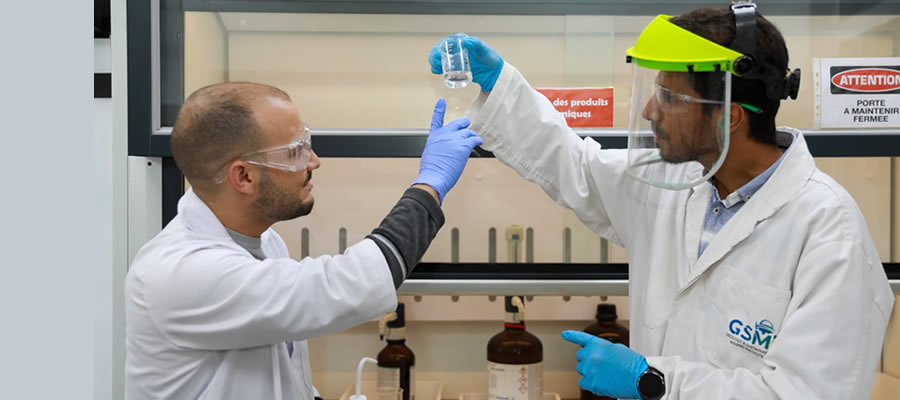
Morocco contributes infrastructure and genomic science. Through massive investments in scientific infrastructure, including the Precision Medicine Hub and advanced sequencing laboratories, Morocco has established itself as a continental leader in genomics. The Moroccan Genome Project (PGM) has sequenced over 109 Moroccan genomes, identifying over 27 million variants - including 1.4 million novel ones. This work lays the groundwork for a reference genome specific to North African populations, an essential tool for precision medicine.
Together, these two nations are moving from parallel scientific efforts to an integrated engine for African health. The partnership includes MSc and PhD researcher exchanges into AI analytics and genomic sequencing, with joint research already planned on cancer and neurological diseases. This collaboration, formalized through seven bilateral agreements signed in July 2026, aims to achieve pharmaceutical self-sufficiency and advance the Trans-African Gas Pipeline, demonstrating that health sovereignty is intertwined with broader economic integration.
President Mahama's Vision: From Aid Dependency to Health Sovereignty
.jpg)
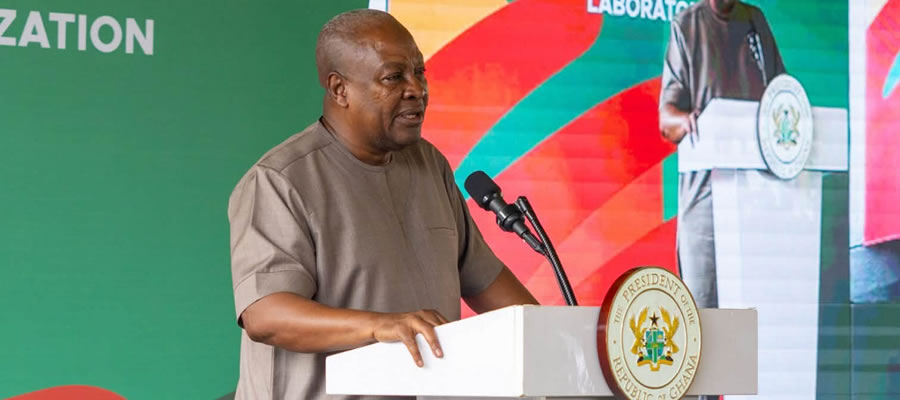
At the heart of this movement is President John Dramani Mahama of Ghana, who has emerged as a leading voice for African health sovereignty. His message is clear: Africa must build the capacity to finance, manufacture, and manage its own health systems.
At the 79th World Health Assembly in May 2026, President Mahama delivered a landmark address, warning that declining international aid and weakening multilateral cooperation are threatening health systems across developing countries. He noted that Ghana lost $78 million following the closure of USAID programmes, with critical interventions in malaria, maternal health, and HIV/AIDS affected.
Rather than lament, President Mahama positioned Ghana as a leading voice in the Accra Reset Initiative—a reform agenda aimed at advancing "health sovereignty" for African nations. He defined sovereignty in healthcare as the practical ability of nations to finance essential services, regulate quality standards, produce medicines locally, and manage their own health data effectively.
"A continent that carries nearly 25% of the global disease burden while producing less than 1% of the world's vaccines is not sovereign, it is vulnerable, " he declared.
President Mahama's push for sovereignty extends to data governance. In April 2026, Ghana rejected a proposed bilateral health agreement with the United States, citing concerns over sensitive data-sharing provisions. The proposed agreement reportedly required Ghana to provide access to sensitive national health datasets - a condition that raised alarm within government circles. The decision marked a significant turning point in US-Africa health diplomacy, highlighting growing tensions between financial support and national sovereignty.
The Path Forward: Building Africa's Genomic Future
The foundation for African-led genomic research has already been laid. Six African countries—Ghana, Ethiopia, Malawi, Mozambique, Zambia, and Nigeria—have launched national strategies on genomics. The Africa CDC has established the African Strategic Advisory Group on Genomics, aligned with its broader agenda of health security and sovereignty. Initiatives like GEN-IMPACT, a five-year, African-led program, are advancing equitable precision medicine by integrating genomics into population health research.
But these efforts must accelerate and deepen. The Morocco-Ghana partnership demonstrates that intra-African collaboration is not just possible - it is powerful. By combining Ghana's clinical excellence with Morocco's genomic infrastructure, African nations can:
· Build population-specific reference genomes that accurately reflect African genetic variation.
· Develop targeted therapies tailored to African populations, rather than relying on drugs designed for Europeans.
· Train the next generation of African genomic scientists through researcher exchanges and capacity building.
· Ensure data sovereignty so that African biological and health data remain in Africa, serving African priorities.
As the Moroccan Genome Project has shown, the next generation of precision medicine will not be imported—it will be built in Africa, by Africans, for African populations.
Conclusion: A Call to Action

The silent epidemic of NCDs is a wake-up call. Africa cannot afford to wait for solutions designed elsewhere. With the world's greatest genetic diversity, the continent has an unparalleled opportunity to lead in genomic medicine. But leadership requires investment, collaboration, and the political will to prioritize health sovereignty.
President Mahama has shown what that leadership looks like. Now it is time for the rest of Africa to follow. The partnerships are being forged, the infrastructure is being built, and the scientists are ready. What remains is the collective resolve to transform Africa's genetic diversity into health for millions.
The prescription is clear: Africa's health future lies in its own DNA. It is time to fill the prescription.
Other Stories





Local Gov Ministry
Int of Local Gov Studies
Ministry of Information
Local Gov Service
Ghana MPs
Ghana Hospitals
NALAG
 facebook
 X
X
 Youtube
 instagram
 whatsapp
 +233 593 831 280
+233 20 230 9497
+233 593 831 280
+233 20 230 9497 0800 430 430
 GPS: GE-231-4383
 info@ghanadistricts.com
 Box GP1044, Accra, Ghana