- Item

HEALTH
Akim Oda Lawmaker Calls for Nationwide Rollout of Hydroxyurea Therapy to Close Sickle Cell Survival Gap
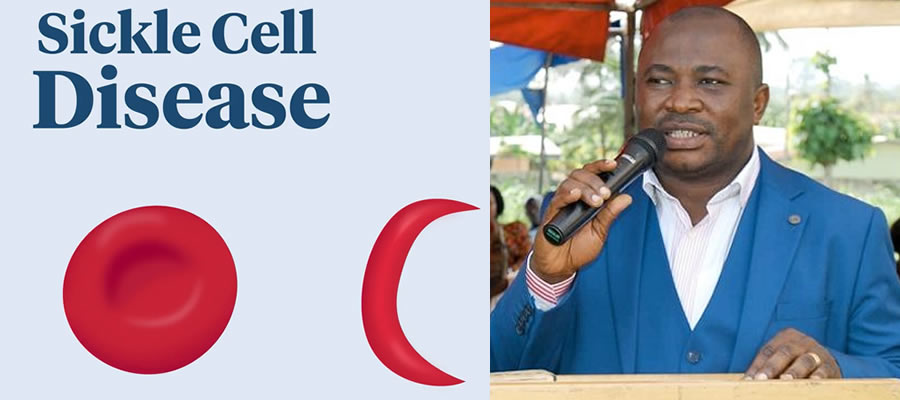
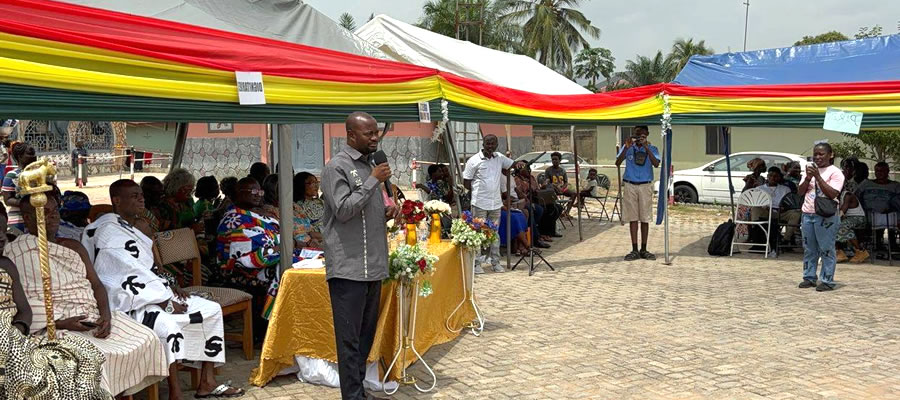
In a passionate address to Parliament on World Sickle Cell Day 2026, Hon. Alexander Akwasi Acquah, Member of Parliament for Akim Oda Constituency, has issued an urgent call for the nationwide implementation of hydroxyurea therapy for nearly all patients with sickle cell disease (SCD), warning that Ghana is running out of time to address a catastrophic blood disorder that kills, maims, and impoverishes thousands of families.
Date Created : 6/19/2026 12:00:00 AM : Story Author : Dominic shirimori/Ghanadistricts.com
Speaking under the theme "Closing the Survival Gap: Equity in Sickle Cell Disease," Mr. Acquah highlighted the staggering scale of the crisis, noting that approximately 8 million Ghanaians are carriers of the sickle cell gene and that two out of every 100 newborns in the country have SCD. Sub-Saharan Africa accounts for nearly 80% of global cases, with 50 to 90% of SCD-related deaths occurring in African children under five years old—sometimes without ever receiving a diagnosis.
The MP emphasized that while curative treatments such as bone marrow and gene therapies exist, they remain practically inaccessible in Ghana due to their prohibitive costs and logistical requirements. Instead, he identified hydroxyurea—an old anticancer medicine approved by the U.S. Food and Drug Administration since 1998 for SCD treatment in adults and children aged nine months and older—as the most impactful and immediately feasible intervention.
Acquah noted that studies across sub-Saharan Africa have demonstrated that hydroxyurea therapy is feasible, safe, and cost-effective in reducing typical bone pain, recurrent hospitalizations, the need for blood transfusions, and acute chest episodes. A public-private partnership between the Ghana government and Novartis successfully piloted the therapy across 21 districts under the Ahodwo program in 2018, and hydroxyurea was subsequently included in the National Health Insurance Scheme (NHIS) in 2022.
However, the MP warned that access remains severely restricted to approximately 20 NHIS-credentialed hospitals in just 8 regions, with only 6 of the 21 Ahodwo-affiliated facilities having specialist prescribers. This urban centralization creates significant barriers for rural patients, forcing caregivers to choose between lost income, diminished school attendance for children, and avoidable healthcare costs from recurrent hospitalizations that hydroxyurea effectively prevents.
To achieve true universal coverage, Acquah outlined five key measures: declassifying hydroxyurea as a "specialist" medicine and integrating it into the standard NHIS benefits list; decentralizing prescription to non-specialist prescribers in tertiary, regional, and district hospitals; improving forecasting and procurement; simplifying guidelines into national one-page algorithms; and developing a network of specialists for consultation and supportive supervision. He cited Uganda as an example of a country that has successfully decentralized safe hydroxyurea utilization.
The MP also appealed to the public to show deeper compassion and eliminate stigmatizing language, urging Ghanaians to recognize those living with sickle cell disease as "warriors" rather than "sicklers". He called on healthcare providers to treat patients with urgency and empathy, particularly during the rainy season when emergency departments see a rise in painful sickle cell crises.
"We have the tools, expertise, systems, and knowledge to achieve equity in sickle cell disease care across our country," Acquah declared. "The time is now!". As the 2030 deadline for the Sustainable Development Goals approaches, he emphasized that addressing SCD—a significant driver of health inequalities—is essential to closing the survival gap and ensuring no warrior is left behind.
Related News Headlines






GoG Portal
Local Gov Ministry
Int of Local Gov Studies
Ministry of Information
Local Gov Service
Ghana MPs
Ghana Hospitals
NALAG
Local Gov Ministry
Int of Local Gov Studies
Ministry of Information
Local Gov Service
Ghana MPs
Ghana Hospitals
NALAG
 facebook
 X
X
 Youtube
 instagram
 whatsapp
 +233 593 831 280
+233 20 230 9497
+233 593 831 280
+233 20 230 9497 0800 430 430
 GPS: GE-231-4383
 info@ghanadistricts.com
 Box GP1044, Accra, Ghana