- Item

HEALTH
Ayawaso West Municipality Urges Expansion of Public Health Facilities
Date Created : 11/19/2025 12:00:00 AM : Story Author : Ghanadistricts.com
As a result, residents rely on public health institutions located outside the district—Maamobi Polyclinic, Achimota Hospital, and the 37 Military Hospital for essential services. While these neighboring facilities provide critical care, their distance from many communities within Ayawaso West translates into longer travel times, higher transportation costs, and potential delays in treatment. In the face of these realities, local leaders and health advocates are renewing calls for the establishment of a district public health facility to bring care closer to home for all residents.
The current arrangement places a disproportionate burden on the municipality’s most vulnerable residents. Expectant mothers, young children, the elderly, and people living with chronic conditions often face unique barriers when seeking timely preventive and primary care. The added time and expense required to reach distant facilities can discourage routine immunizations, early diagnosis, and consistent management of health conditions. In this context, the imperative to expand local health infrastructure is not merely a matter of convenience, it is a foundational step toward safeguarding community health, reducing inequities, and improving overall health outcomes.
Experts and stakeholders emphasize a strategic, phased approach to expanding health capacity within Ayawaso West. The overarching goal is clear: establish a district public health facility that can deliver a full spectrum of essential services, from vaccination and maternal-child health to infectious disease control, non-communicable disease screening, emergency care, and mental health support. A locally anchored facility would cut travel time, enable swifter emergency responses, and reinforce the continuity of care from prevention to treatment and follow-up. Such an investment is also seen as a catalyst for broader health system strengthening, with potential spillover benefits for workforce training, supply chain resilience, and strengthened partnerships with national health authorities and development partners.
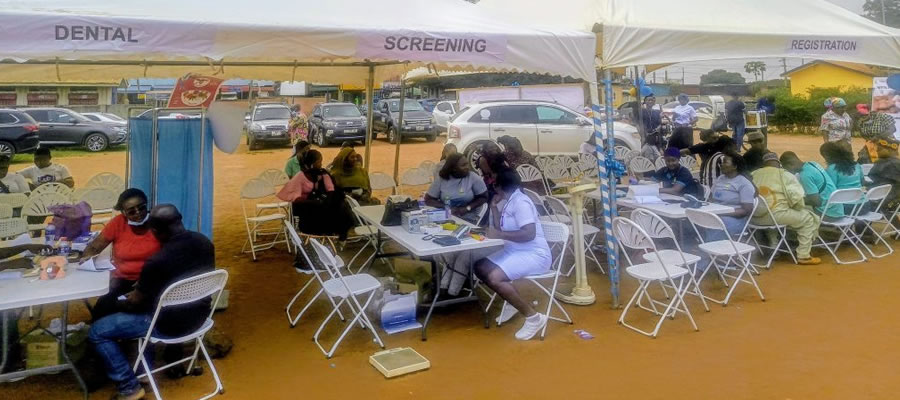
Key components of a comprehensive plan include careful site selection to maximize accessibility, patient flow optimization, and the consideration of satellite services or mobile clinics to reach hard-to-reach communities during the transition. Financing remains a central challenge, but stakeholders are exploring a mix of public funding, development partner support, and private-sector participation, potentially employing blended financing and staged implementation to manage costs and minimize service disruption. In parallel, interim measures such as mobile clinics, expanded immunization outreach, and enhanced referral networks are being discussed to ensure that residents continue to receive essential services even as a permanent facility is being planned and built.
Related News Headlines





Local Gov Ministry
Int of Local Gov Studies
Ministry of Information
Local Gov Service
Ghana MPs
Ghana Hospitals
NALAG
 facebook
 twitter
 Youtube
 +233 593 831 280
+233 20 230 9497
+233 593 831 280
+233 20 230 9497 0800 430 430
 GPS: GE-231-4383
 info@ghanadistricts.com
 Box GP1044, Accra, Ghana