- Item


GENERAL
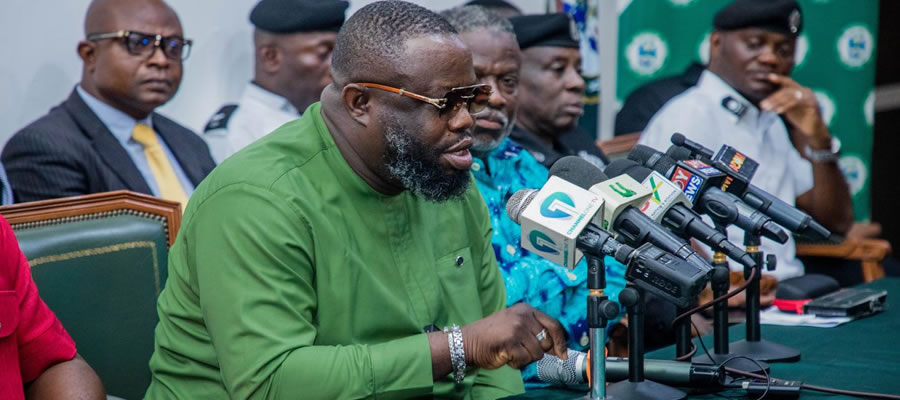
Resetting Accra: Mayor Allotey outlines 2030 Air-Quality Response Plan
Date Created : 10/1/2025 12:00:00 AM : Story Author : Susana Danso/Ghanadistricts.com
According to the Assembly, the plan combines citywide education, tighter legislation and prosecutions, direct source-control measures including a ban on open burning of waste as well as continuous implementation, monitoring and enforcement.
The Mayor of Accra, Mr. Michael Kpakpo Allotey explained that the response follows assessments conducted by the Public Health Department of the AMA in collaboration with SSP Urbania which identified transportation, dust from open surfaces and construction, dumpsites, firewood use, light industry, and open burning as dominant pollution sources across the metropolis.
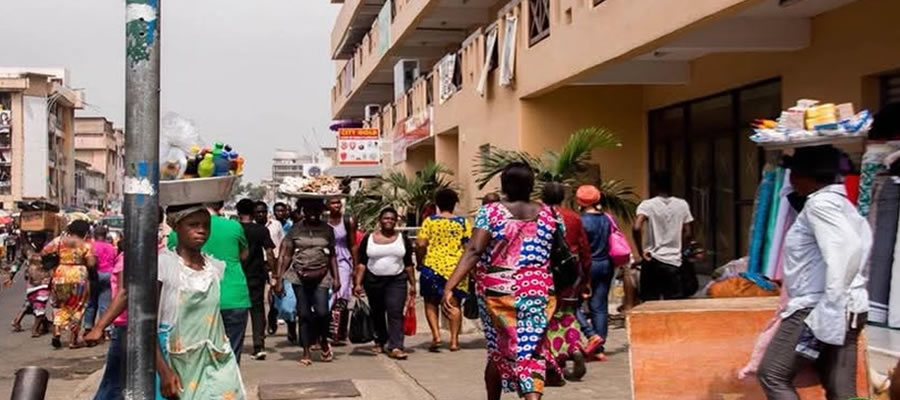
He said weekly concentration profiles for Particulate Matter (PM2.5 and PM10), Nitrogen Dioxide (NO2) and Sulphur Dioxide (SO2) revealed persistent spikes at Makola Market, the AMA Head Office enclave, and Agbogbloshie Market, underscoring the health risks to residents.
.jpg)
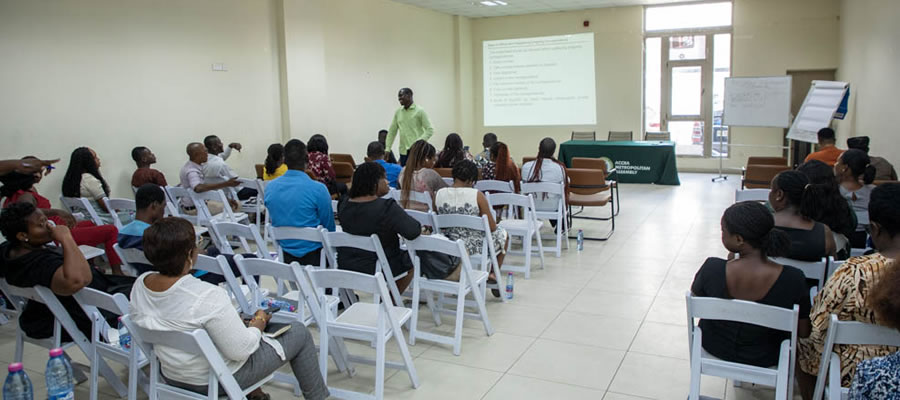
Best-Case Scenario (BCS) models, he noted, show that the 2030 targets are achievable if enforcement against open burning is sustained, compliance campaigns reach market clusters and transport hubs, and routine data collection is maintained to guide interventions.
He noted that across all three sub-metros, the monitoring data show that fine particulate matter (PM2.5) and nitrogen dioxide (NO2) concentrations were consistently above World Health Organization (WHO) safe limits, often by margins of two to five times.
Mayor Allotey said Ablekuma South recorded the most alarming figures, particularly at Korle Bu Gate where NO2 levels spiked nearly five times the WHO 24-hour guideline adding that Ashiedu-Keteke follows closely, with Agbogbloshie and Makola emerging as persistent pollution hotspots, while Okaikoi South, indicated regular exceedances of PM2.5 and NO2.
Related News Headlines



Local Gov Ministry
Int of Local Gov Studies
Ministry of Information
Local Gov Service
Ghana MPs
Ghana Hospitals
NALAG
 facebook
 X
X
 Youtube
 instagram
 whatsapp
 +233 593 831 280
+233 20 230 9497
+233 593 831 280
+233 20 230 9497 0800 430 430
 GPS: GE-231-4383
 info@ghanadistricts.com
 Box GP1044, Accra, Ghana