- Item

EDUCATION
Building Better Classrooms, Expanding Access: AWMA’s Education Promise
Date Created : 11/19/2025 12:00:00 AM : Story Author : Ghanadistricts.com
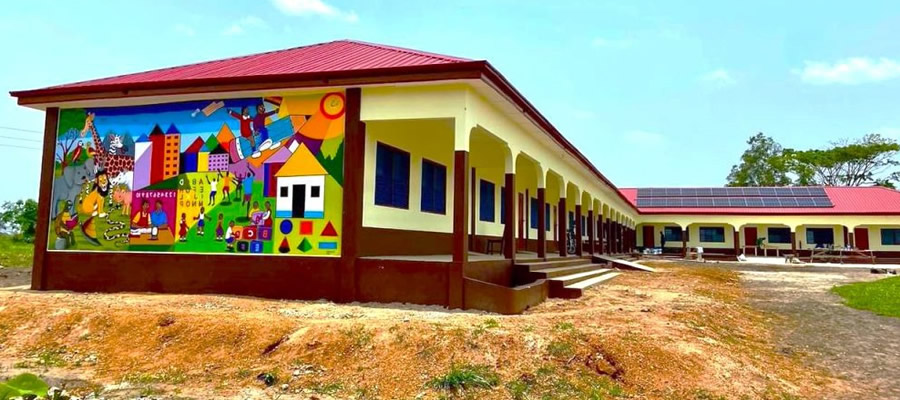
In Ayawaso West, this commitment translates into a deliberate, sustained effort to close gaps, elevate teaching standards, and broaden access to both public and private educational options so that every learner regardless of background has a viable path to learning and development.
A recent assessment highlights a notable disparity between private and public education facilities within the district. As indicated in the assessment, resources, classroom space, and program offerings are concentrated in private institutions, particularly in areas with higher household incomes. This imbalance translates into unequal access to education, especially for families in low-income neighborhoods who face prohibitive tuition costs, transportation challenges, and limited awareness of public schooling options.
The consequence extends beyond school choice; it risks a long-term gap in educational attainment, future employment opportunities, and social mobility for children who primarily rely on public schooling.
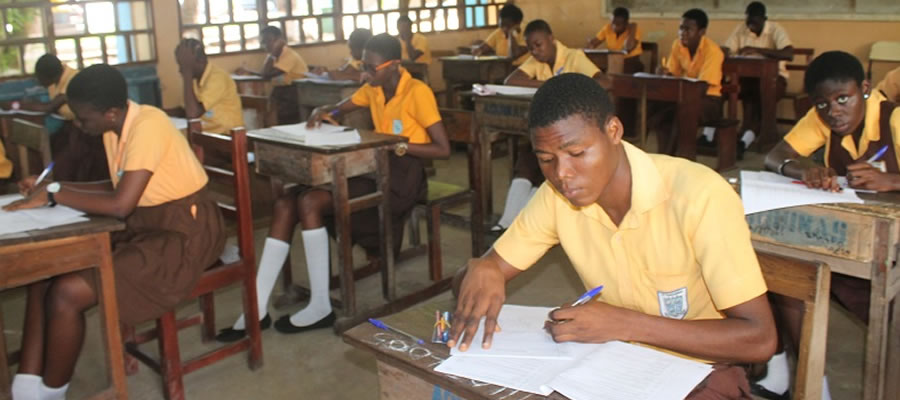
The Assembly recognizes that education is a public good and a shared responsibility. In response to these disparities the Assembly has mobilized a comprehensive strategy to strengthen the quality and accessibility of public education while ensuring that private options remain supportive and complementary rather than exclusionary. Improvements in ventilation, lighting, acoustics, and digital connectivity are critical to supporting contemporary teaching practices and preparing students for a technology-driven world.
By prioritizing infrastructure upgrades, the Assembly seeks to reduce overcrowding, optimize student-teacher ratios where feasible, and equitable access to learning resources, irrespective of a family’s income or neighborhood.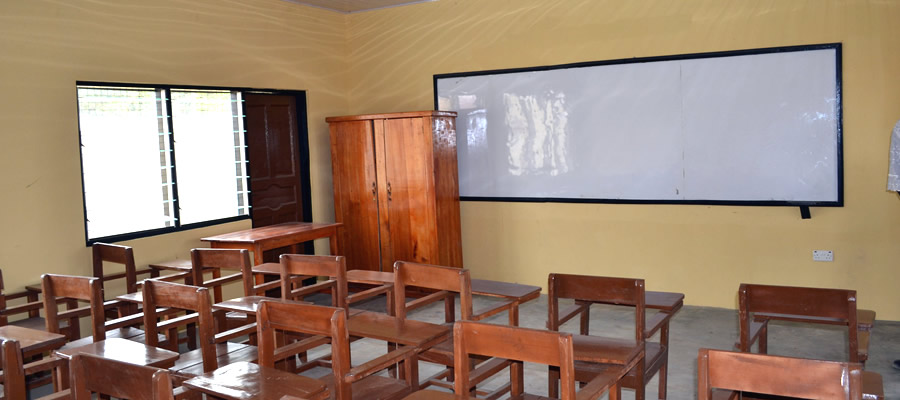
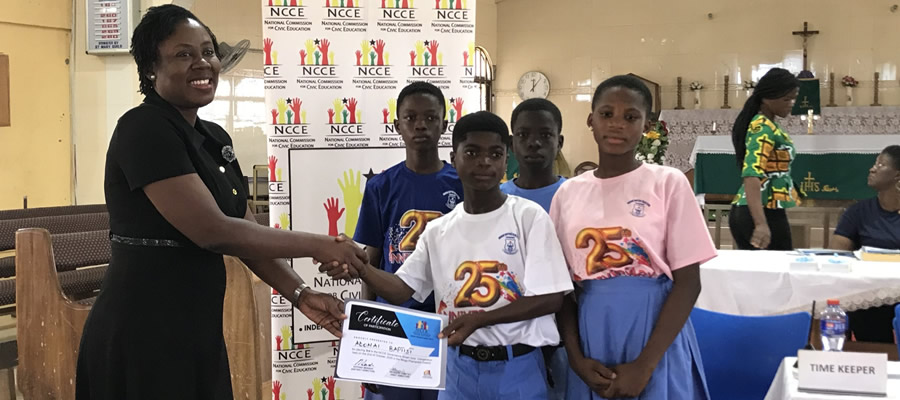
Equally important is a focus on teaching and learning. The Assembly’s plan emphasizes professional development for educators, with targeted training in learner-centered pedagogy, inclusive education, and the integration of ICT into daily instruction. Professional development is paired with supportive supervision and performance feedback mechanisms designed to foster a culture of continuous improvement. Curriculum alignment ensures instructional content remains relevant to the local economy and national standards, enabling students to transition smoothly from primary education through secondary schooling and on to vocational training or higher education opportunities.
Access to educational opportunities beyond the classroom is expanding as well. The Assembly is partnering with local and international organizations to bolster after-school programs, mentorship initiatives, and career guidance services. These programs aim to reinforce academic achievement, build essential life skills, and broaden students’ horizons by exposing them to diverse pathways, including apprenticeships, technical training, and entrepreneurship opportunities. For students in rural or peripheral settlements, targeted outreach and transportation solutions are being explored to reduce barriers to daily attendance and participation in school activities.
Beyond strengthening public education, the Assembly acknowledges the role of private providers in supplementing learning and maintaining a robust educational ecosystem. Rather than viewing private institutions as adversaries, the Assembly seeks to cultivate partnerships that uphold high standards, transparency, and accountability. This includes supporting the development of affordable private options in underserved areas through incentives, while maintaining rigorous quality assurance measures to protect student welfare and ensure prudent use of public funds where applicable. The objective is to foster a balanced landscape in which families can access diverse, high-quality options without compromising equity or access.
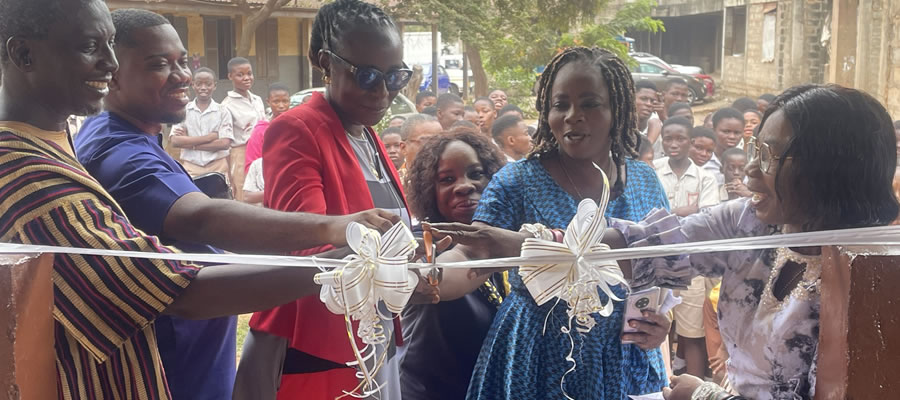
Community engagement remains a cornerstone of the education agenda. Regular town halls, parent-teacher association activities, and community feedback forums are organized to listen to residents’ needs and concerns. Data-driven planning, accompanied by transparent reporting on progress and challenges, ensures resources are allocated efficiently and improvements in education are visible and measurable. The Assembly’s inclusive approach seeks to build trust, empower communities, and cultivate a shared responsibility for the educational success of all children within Ayawaso West.
Related News Headlines




Local Gov Ministry
Int of Local Gov Studies
Ministry of Information
Local Gov Service
Ghana MPs
Ghana Hospitals
NALAG
 facebook
 twitter
 Youtube
 +233 593 831 280
+233 20 230 9497
+233 593 831 280
+233 20 230 9497 0800 430 430
 GPS: GE-231-4383
 info@ghanadistricts.com
 Box GP1044, Accra, Ghana