- Item


SOCIAL
Sagnarigu NCCE empowers women groups on rule of law, fight against corruption
Date Created : 10/23/2025 12:00:00 AM : Story Author : Solomon Gumah/Ghanadistricts.com
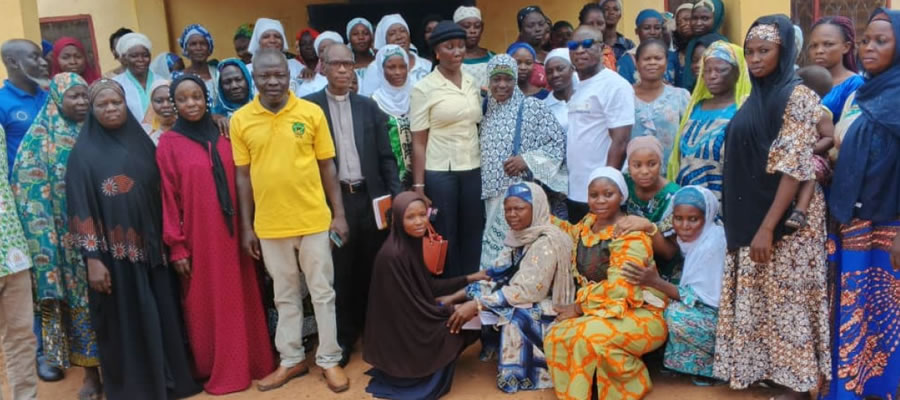
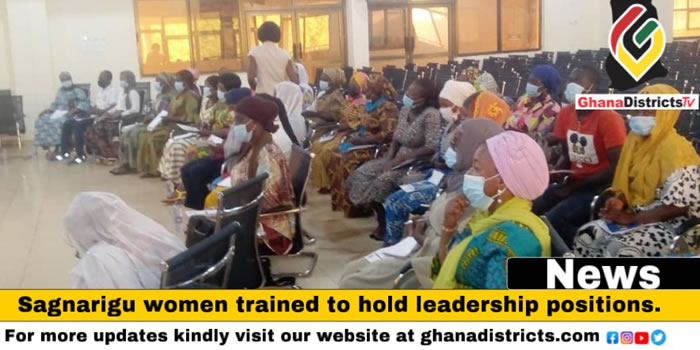
The engagement supported by GIZ and co-funded by the European Union (EU), brought together women from various associations, including persons with disabilities, beauticians, hairdressers, and interfaith groups within the Sagnarigu Municipality.
The workshop was to enhance participants’ understanding of their civic rights, legal protections, and available reporting mechanisms to enable them to resist corruption, promote transparency, and actively participate in accountability processes at the community level.
Mr. Abdulai Soale, Sagnarigu Municipal Director of NCCE, speaking during the event at Sagnarigu, said women played vital role in Ghana’s socio-economic development as caregivers, traders, entrepreneurs, and community leaders.
He, however, observed that many women continued to face systemic challenges such as limited access to education, economic inequality, and underrepresentation in governance and decision-making processes.
He said this sometimes exposed them to corruption and abuse of power in public service delivery.
“It is against this backdrop that the NCCE has prioritized identifiable women groups in its education campaign dubbed: “Civic Engagements on the Rule of Law and the Fight against Corruption,” he said.
The participants were also educated on key legislations including the Domestic Violence Act (Act 732), the Right to Information Act, and the Whistleblowers Act.
Mr. Abdul Wahab Abdul Wasiu, Sagnarigu Municipal Director of the Commission on Human Rights and Administrative Justice (CHRAJ), said without a strong rule of law, the rights of women would remain theoretical and unenforceable.
He encouraged the women to report cases of corruption, discrimination, or abuse through appropriate channels, assuring them that state institutions such as CHRAJ and the NCCE remained committed to promoting justice and accountability.
Participants described the engagement as timely and impactful, saying, disunity among women groups had often weakened their ability to hold duty-bearers accountable.
They called for unity among women to advocate for their collective interests and the protection of other vulnerable groups within their communities.
The NCCE’s ongoing civic education drive formed part of broader national efforts to promote transparency, good governance, and citizen participation in the fight against corruption.
Related News Headlines





Local Gov Ministry
Int of Local Gov Studies
Ministry of Information
Local Gov Service
Ghana MPs
Ghana Hospitals
NALAG
 facebook
 X
X
 Youtube
 instagram
 whatsapp
 +233 593 831 280
+233 20 230 9497
+233 593 831 280
+233 20 230 9497 0800 430 430
 GPS: GE-231-4383
 info@ghanadistricts.com
 Box GP1044, Accra, Ghana