- Item


AGRICULTURE
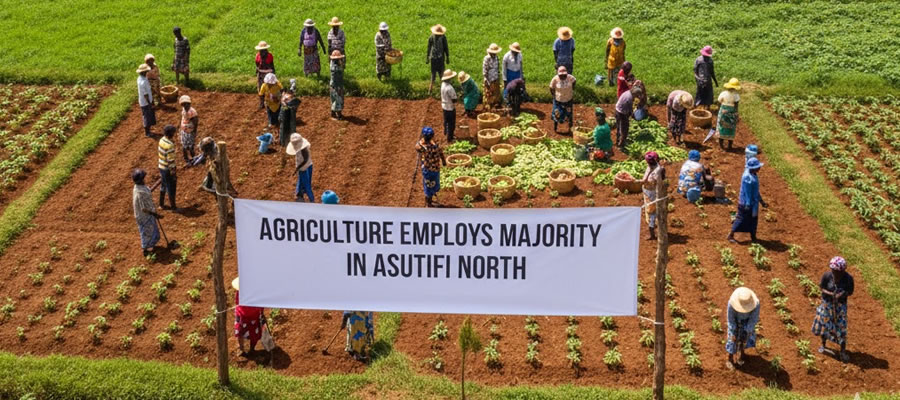
Agriculture employs majority in the Asutifi North District
Date Created : 11/10/2025 12:00:00 AM : Story Author : Ernestina Mensah/Ghanandistricts.com
While most farmers still rely on rain-fed, subsistence methods, the district’s Department of Agriculture is driving a modernization wave—delivering extension services, demonstrations, pest control, and more to boost yields, incomes, and resilience.
Explore the crops that feed families and the crops that power industry, plus how support systems are transforming livelihoods.
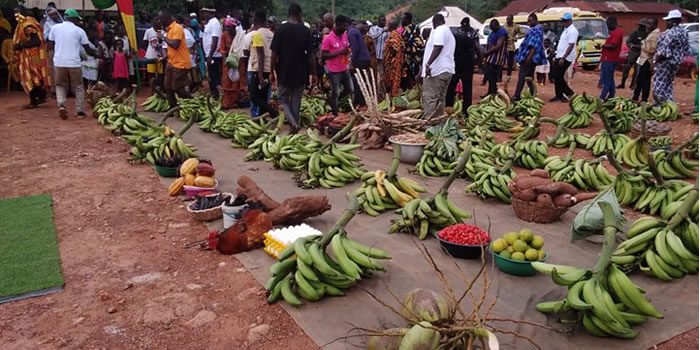
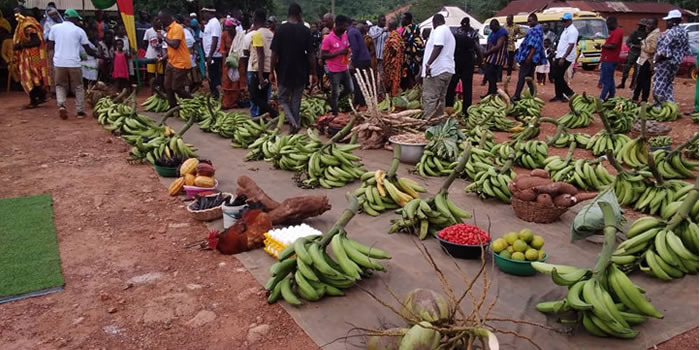
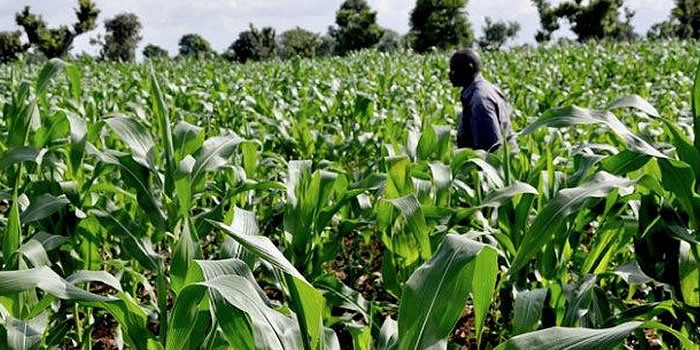
Being the dominant livelihoods in the district with 58% of the population relying on agriculture; crop farming leads the pack with food crops such as maize, cassava, rice, plantain, and coconut forming the backbone of local diets.
This leads to a diversity of income based on the availability in veggies and cash crops such as tomatoes garden eggs, okro, cocoa, oil palm, citrus coffee and cash in agricultural operations predominantly peasant farmers with mix of tree planting, livestock rearing and fish farming.
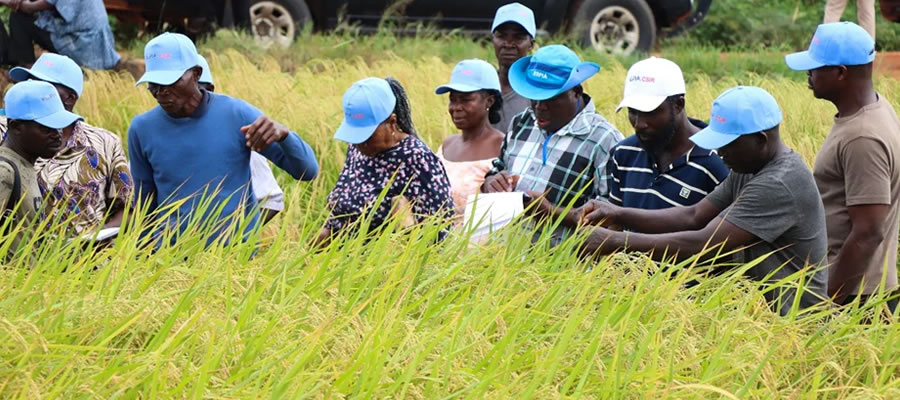
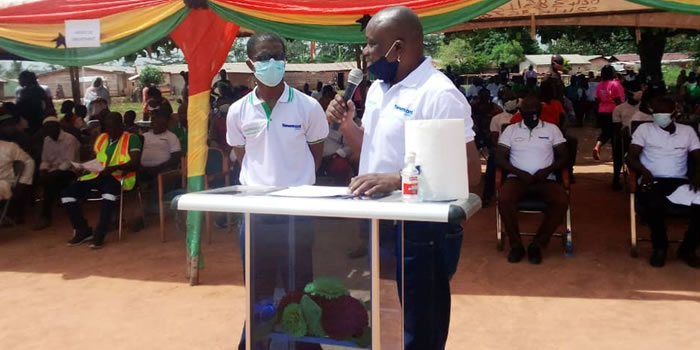
Through the role of government by the Department of Agriculture coordinating extension services, veterinary support, group formation, and on-farm training and other outreach activities in home visits, field visits, technical training, and on-farm demonstrations help farmers adopt better practices.
Plant health and protection is also achieved through pest and disease surveys helping in safeguarding yields and livelihoods.
Professional extension and practical demonstrations aim to raise farm incomes and reduction in post-harvest losses leads to boost in productivity and diversification in dividends with mix of food crops and high-value cash crops can stabilize household income against climate shocks.
Related News Headlines




Local Gov Ministry
Int of Local Gov Studies
Ministry of Information
Local Gov Service
Ghana MPs
Ghana Hospitals
NALAG
 facebook
 X
X
 Youtube
 instagram
 whatsapp
 +233 593 831 280
+233 20 230 9497
+233 593 831 280
+233 20 230 9497 0800 430 430
 GPS: GE-231-4383
 info@ghanadistricts.com
 Box GP1044, Accra, Ghana