- Item

AGRICULTURE
Agriculture in AWMA: Urban Farming and Livelihoods in a Growing Municipality
Date Created : 11/19/2025 12:00:00 AM : Story Author : Ghanadistricts.com
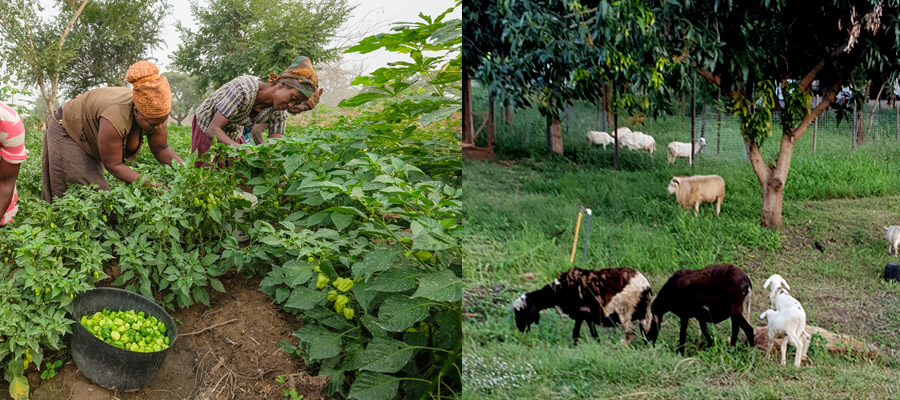
Ayawaso West Municipal Assembly is reshaping its agricultural landscape through an increasingly urban farming model that fits a densely built environment. With little land available, farmers rely on rooftop plots, community gardens, and small allotments interwoven into neighborhoods. Despite space limitations, the municipality has carved a niche for both exotic and local vegetables, earning a reputation for diverse produce that serves local markets and households. A recent tally shows about 449 farmers, predominantly men with growing female participation, reflecting evolving gender dynamics in urban agriculture.
The agricultural profile emphasizes vegetable cultivation, balancing exotic varieties with locally adapted crops. This urban farming mix helps ensure a steady supply of fresh produce for residents and strengthens local food security. A smaller but notable livestock sector—rearing goats, sheep, cattle, rabbits, guinea fowls, and pigs—adds diversification to livelihoods, highlighting agriculture as a multifaceted income source for urban residents who may have limited land.
Yet the sector faces several hurdles that limit expansion and productivity. The most pressing challenge is the ongoing loss of farmland to urbanization, which tightens available space for cultivation and can disrupt traditional farming practices. Water quality and reliability also pose risks, with some irrigation sources proving unsafe or inconsistent. Financial constraints further hamper growth, as access to inputs, technology, and credit remains limited. Climate variability, evidenced by erratic rainfall, compounds these challenges by increasing uncertainty for farmers and traders alike.
To address these issues, AWMA’s Department of Agriculture has mapped out a multi-pronged plan for the period ahead. Key priorities include facilitating government flagship programs that support farmers, processors, and traders, and boosting technology transfer alongside stronger extension services. By narrowing the gap between research and practice, the plan aims to improve crop management, pest control, soil health, and water-use efficiency, enabling farmers to adopt innovations that raise yields and resilience.
Beyond production, the agricultural strategy recognizes the importance of processing and market access for livelihoods. Support for value-chain development will help farmers access inputs, finance, and channels to bring their products to market. Training in post-harvest handling, food safety, and basic value-added processing is planned to reduce losses and stabilize incomes.
Effective implementation will require coordinated governance and partnerships among government agencies, farmers’ groups, private sector actors, and community organizations. AWMA seeks to work with extension networks, local buyers, and agro-enterprises to create an enabling urban farming environment. Ongoing monitoring and evaluation will track crop yields, input accessibility, water quality, and the impact of extension services to ensure the program translates into tangible improvements for farmers and communities.



Local Gov Ministry
Int of Local Gov Studies
Ministry of Information
Local Gov Service
Ghana MPs
Ghana Hospitals
NALAG
 facebook
 twitter
 Youtube
 +233 593 831 280
+233 20 230 9497
+233 593 831 280
+233 20 230 9497 0800 430 430
 GPS: GE-231-4383
 info@ghanadistricts.com
 Box GP1044, Accra, Ghana