- Item


AGRICULTURE
Oforikrom Expands Its Agricultural Footprint with Mixed Farming Near KNUST
In the Oforikrom Municipality, a quiet agricultural transformation is taking root, redefining how communities produce food, earn livelihoods, and respond to climate uncertainty.
Date Created : 11/27/2025 12:00:00 AM : Story Author : Ghanandistricts.com
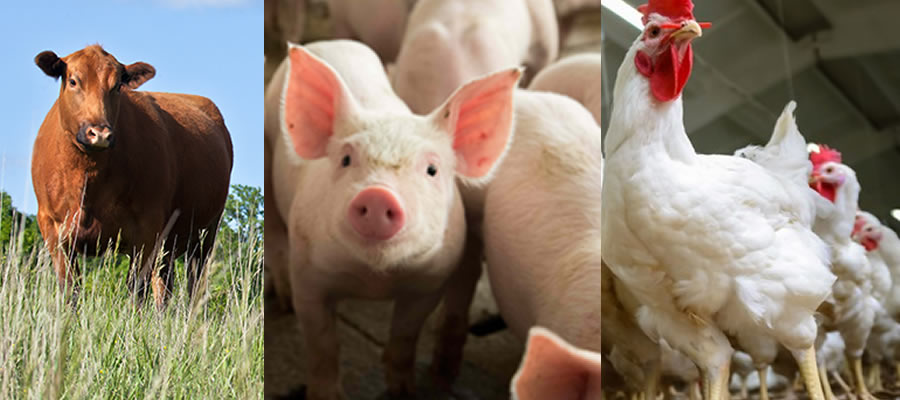
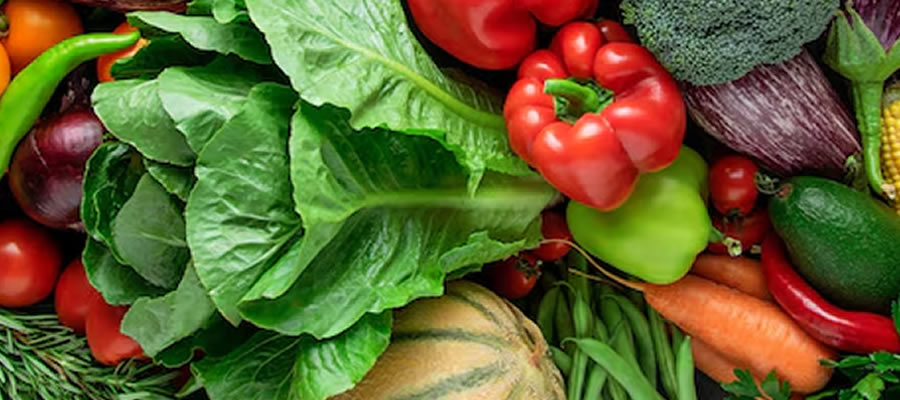
Once dominated by a limited set of crops, farmers in the area now cultivate maize, rice, and cowpea, while also raising poultry, goats, sheep, cattle, and pigs on a modest, village-scale footprint. Fishing activities complete a diversified mosaic, reinforcing food security for families and creating new opportunities in local markets.
This broad-based approach to agriculture is most visible around the Kwame Nkrumah University of Science and Technology (KNUST) campus and in the municipality’s low-lying zones, where the interplay of land and water creates favorable conditions for varied farming practices.
This broad-based approach to agriculture is most visible around the Kwame Nkrumah University of Science and Technology (KNUST) campus and in the municipality’s low-lying zones, where the interplay of land and water creates favorable conditions for varied farming practices.
Rice farming has emerged as a particularly notable development, with Appiadu standing out as a focal area for this crop. The shift toward rice, in concert with traditional staples like maize and cowpea, signals a deliberate strategy to broaden crop portfolios, reduce reliance on a single harvest, and stabilize income streams for farming households throughout the year. The expansion of crops is complemented by a parallel growth in small-scale livestock rearing and aquaculture, weaving together plant and animal agriculture to build a more resilient local food system.
Yet the region faces significant challenges that could hinder its progress. Chief among them is competition for land as urban development accelerates along the outskirts of the municipality. As more parcels are carved from rural use for housing, offices, and infrastructure, farmers worry about the shrinking space available for cultivation and the potential impact on yields. In response, the Oforikrom Agric Directorate has taken proactive steps, forging a partnership with KNUST to secure land for farming communities. This collaboration aims not only to safeguard existing livelihoods but also to lay a foundation for expanding cultivation, improving access to inputs, and strengthening support services for farmers.
The partnership is expected to unlock a range of practical benefits. Farmers could gain better access to high-quality seeds, affordable inputs, and reliable irrigation equipment, all of which are crucial for sustaining productivity in adverse weather or dry seasons. Strengthened extension services and farmer field schools are anticipated to equip farmers with the latest agronomic practices, climate-smart techniques, and pest management strategies.
By integrating crops, livestock, and aquaculture, Oforikrom is moving toward a diversified farming model capable of weathering market fluctuations and climate variability.
By integrating crops, livestock, and aquaculture, Oforikrom is moving toward a diversified farming model capable of weathering market fluctuations and climate variability.
Beyond economic gains, the expansion carries broader social implications. A diversified agricultural sector creates employment opportunities, fosters knowledge exchange, and reinforces community resilience against shocks such as price volatility and extreme weather events. It also opens avenues for local value addition, with potential growth in processing activities that can transform surplus harvests into packaged products for both local and regional markets.
Market linkages under exploration could connect farmers with processing facilities and larger supply chains, enhancing profitability and elevating living standards for many residents.
Market linkages under exploration could connect farmers with processing facilities and larger supply chains, enhancing profitability and elevating living standards for many residents.
Sustainability underpins the district’s vision for growth. Officials emphasize prudent land-use planning, sustainable water management, and environmentally responsible farming practices to protect ecosystems while supporting productive agriculture. Community engagement remains central to this effort, with farmers, students, and residents encouraged to participate in training sessions, field demonstrations, and forums that promote transparency and shared benefits.
As Oforikrom navigates development pressures, stakeholders remain cautiously optimistic about balancing growth with the preservation of essential farming spaces. The objective is clear: to maintain robust, locally produced food while expanding opportunities for residents today and for future generations.
If the ongoing collaboration between the Agric Directorate and KNUST proves successful, it could serve as a blueprint for other districts seeking to harmonize urban development with resilient, diversified farming systems that feed communities and strengthen local economies.
If the ongoing collaboration between the Agric Directorate and KNUST proves successful, it could serve as a blueprint for other districts seeking to harmonize urban development with resilient, diversified farming systems that feed communities and strengthen local economies.
GoG Portal
Local Gov Ministry
Int of Local Gov Studies
Ministry of Information
Local Gov Service
Ghana MPs
Ghana Hospitals
NALAG
Local Gov Ministry
Int of Local Gov Studies
Ministry of Information
Local Gov Service
Ghana MPs
Ghana Hospitals
NALAG
 facebook
 X
X
 Youtube
 instagram
 whatsapp
 +233 593 831 280
+233 20 230 9497
+233 593 831 280
+233 20 230 9497 0800 430 430
 GPS: GE-231-4383
 info@ghanadistricts.com
 Box GP1044, Accra, Ghana