- Item


EDUCATION
Central Tongu District Assembly Education: Progress, Challenges, and the Road Ahead
Central Tongu is making steady strides in education, driven by national policies such as Free Education and the School Feeding Programme.
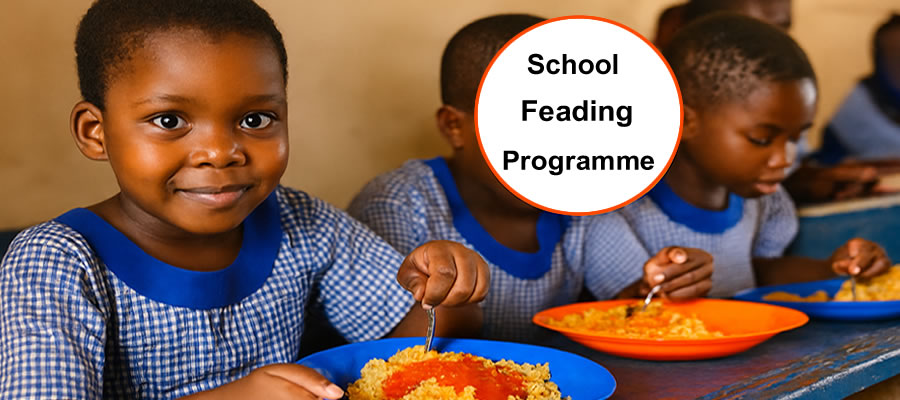
Date Created : 11/24/2025 12:00:00 AM : Story Author : Ghanadistricts.com
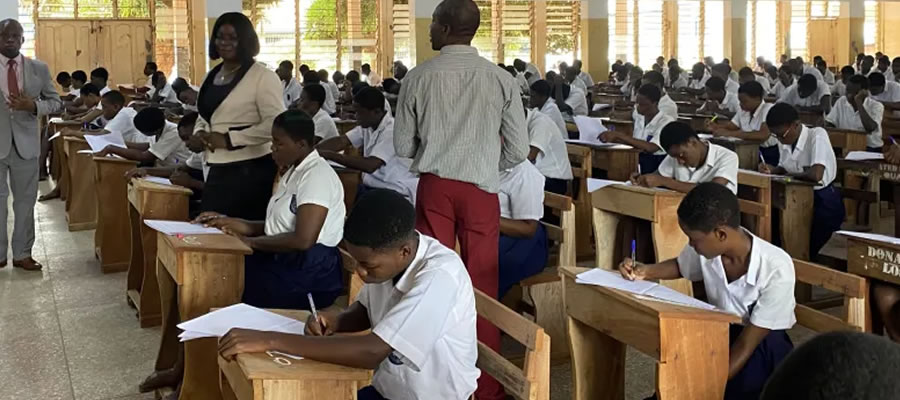
These initiatives have helped lift school enrolment across the district, laying a stronger foundation for literacy and lifelong learning. While the COVID-19 pandemic disrupted classes and contributed to absenteeism, enrolment began to rebound in 2021, with gains observed at both basic and secondary levels. Education officials emphasize that maintaining safe learning environments, ensuring regular attendance, and providing targeted support will be essential to sustaining this recovery.
Planners track key indicators to guide investment and policy decisions. The School Participating Rate (SPR) measures the proportion of children in the official school-going age who are actually in school. Projections suggest continued enrolment growth at the primary level will translate into higher SPR across the district by the end of the current plan period, signaling improvements in literacy and educational attainment. The district’s plan includes detailed projections of facilities needed from Kindergarten through Senior High School, in both public and private settings. Annexes attached to the plan outline future classroom blocks, libraries, science laboratories, and ICT resources aimed at reducing overcrowding and enhancing learning outcomes.
Education data are analyzed using several standard measures. Gross Enrolment Rate (GER) reflects overall participation in a given education level, regardless of age, while Net Enrolment Rate (NER) reflects participation by children within the appropriate age range. Gender Parity Index (GPI) measures access to education for boys and girls; values closer to 1 indicate more balanced participation. These metrics help policymakers identify where to focus resources, whether on expanding access, closing age gaps, or addressing gender imbalances.
District education officials are prioritizing several actions to sustain momentum:
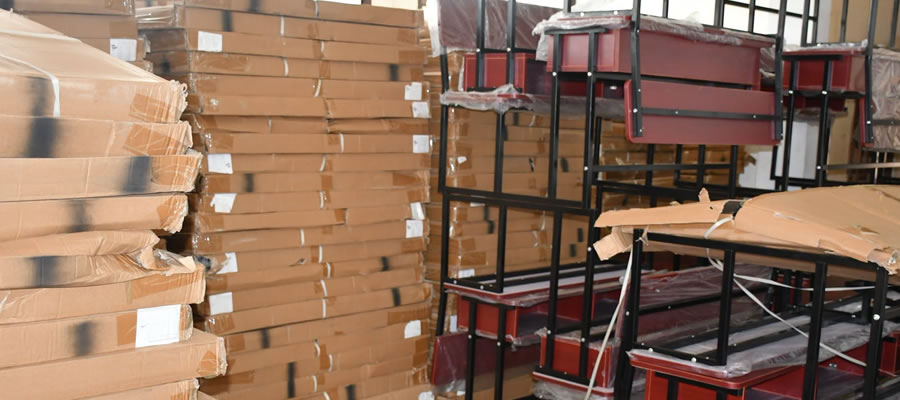
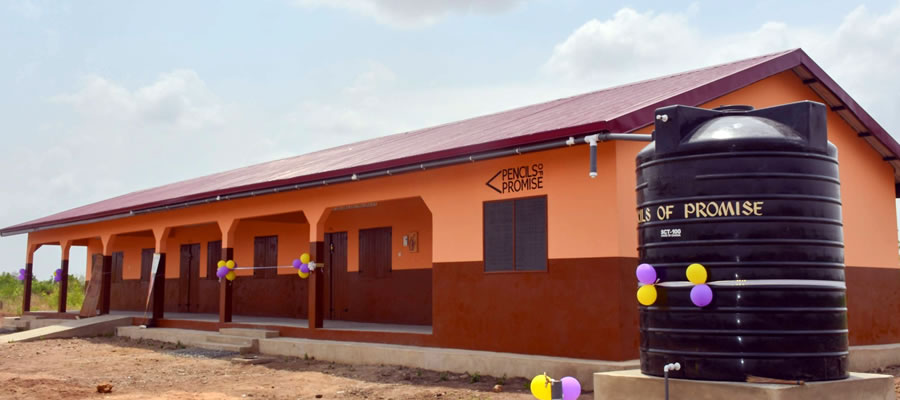
- Expanding access and learning spaces: Building and upgrading classrooms, ensuring reliable water supply, and improving sanitation to create welcoming learning environments for all students, with particular attention to girls’ enrollment and retention.
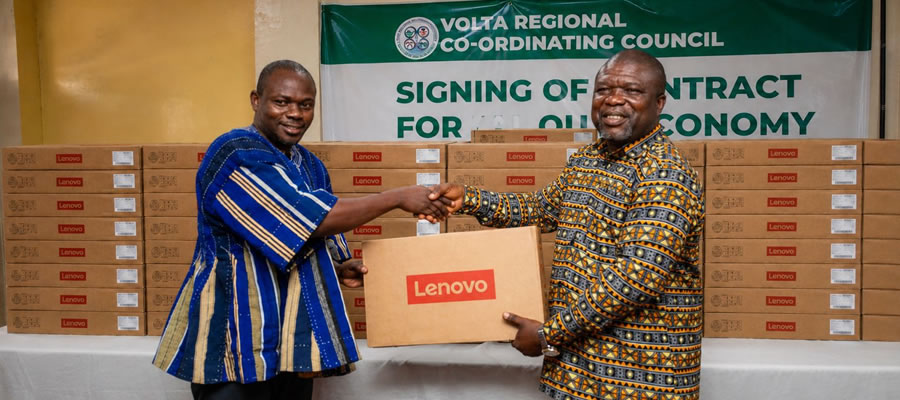
- Elevating teaching quality: Ongoing training for teachers, curriculum enhancements, and broader integration of ICT to improve literacy and numeracy outcomes.
- Supporting vulnerable learners: Catch-up programs, tutoring, and psychosocial support for students who faced disruptions during the pandemic.
- Strengthening data systems: Improved data collection and monitoring to track SPR, GER, NER, and GPI over time, enabling evidence-based decisions.
- Community engagement: Partnerships with parents, schools, and local organizations to foster a culture of learning and ensure education remains a shared priority.
Residents are encouraged to support their children’s education at home, participate in school management committees, and advocate for well-resourced classrooms. Local businesses and civil society groups can contribute through sponsorships, internship programs, and capacity-building initiatives for teachers and administrators. A collaborative approach across families, schools, and communities will help build a robust educational ecosystem that supports lifelong learning and social mobility.
GoG Portal
Local Gov Ministry
Int of Local Gov Studies
Ministry of Information
Local Gov Service
Ghana MPs
Ghana Hospitals
NALAG
Local Gov Ministry
Int of Local Gov Studies
Ministry of Information
Local Gov Service
Ghana MPs
Ghana Hospitals
NALAG
 facebook
 X
X
 Youtube
 instagram
 whatsapp
 +233 593 831 280
+233 20 230 9497
+233 593 831 280
+233 20 230 9497 0800 430 430
 GPS: GE-231-4383
 info@ghanadistricts.com
 Box GP1044, Accra, Ghana