- Item


GENERAL
Ministers, MMDCEs urged to champion the 24-Hour Economy Model Market Initiative
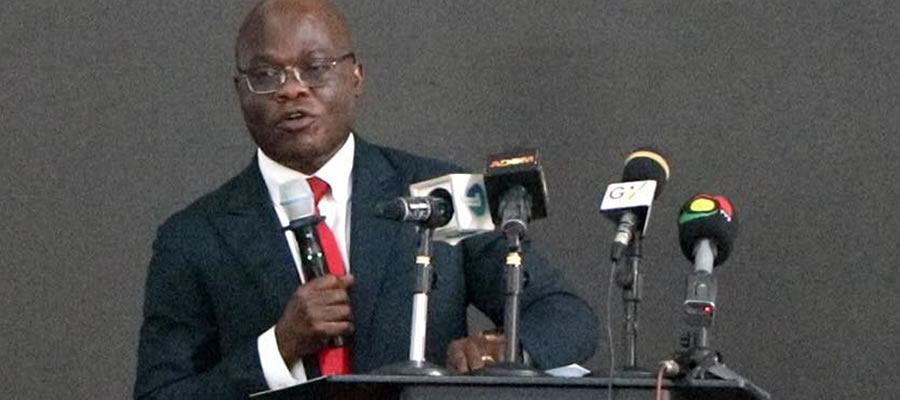
Date Created : 11/5/2025 : Story Author : Susana Danso/Ghanadistricts.com
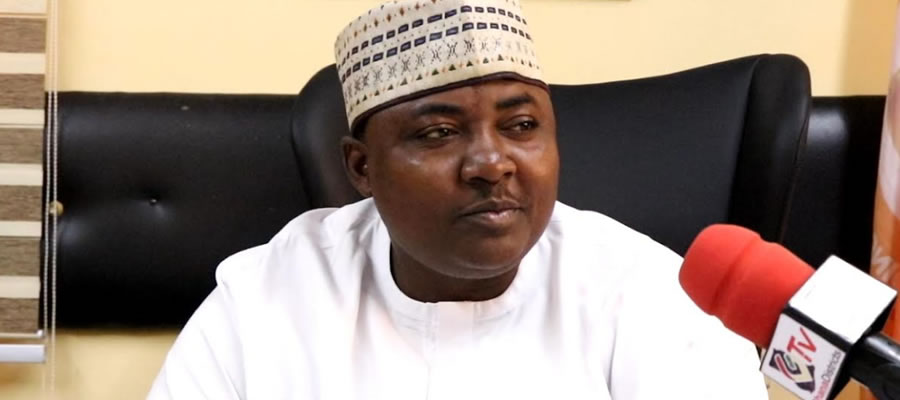
The minister speaking at the orientation program held in Accra, specifically for Regional Ministers and MMDCEs described the initiative as a "visionary undertaking" spearheaded by President John Dramani Mahama, and aims to revolutionize Ghana's local economies.
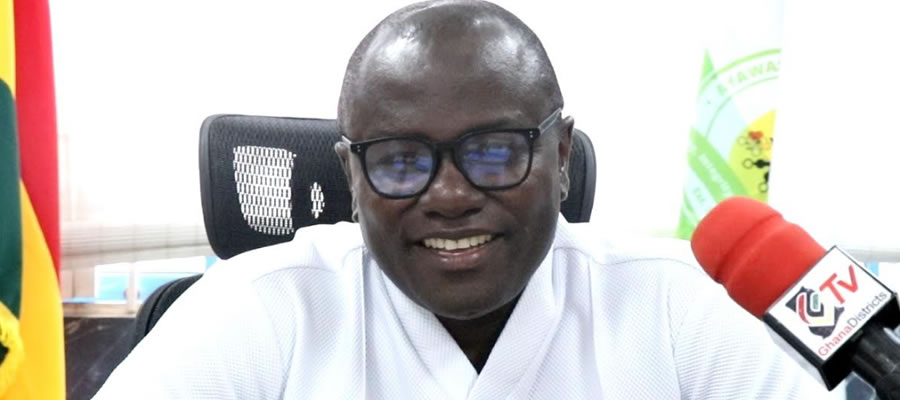
Mr. Ibrahim emphasized that the 24 hour economy model market is a key component of the President’s broader 24-Hour Economy and Accelerated Export Development Programme to position Ghana as a modern, self-sufficient, and globally competitive economy that operates with efficiency around the clock.
The success of this national rollout, according to Mr. Ibrahim, hinges on the leadership of Regional Ministers and MMDCEs. He stressed that this is not a pilot project, but a full-scale transformation of the local economic landscape.
The initiative is closely aligned with the government’s Local Economic Development (LED) Policy (2024–2029), which focuses on infrastructure-led growth, job creation, and inclusive development..jpg)
These model markets, designed to operate 24 hours a day, will serve as modern economic hubs. They will be equipped with essential facilities such as:
Cold storage
Digital payment systems
Sanitation blocks
Childcare centres
Police posts
Women’s banks
Mr. Ibrahim highlighted that these markets will not only create decent jobs for women and youth but also improve trading conditions, reduce congestion, and boost revenue for local governments.
He also connected the model markets to the government’s Big Push Agenda, which focuses on significant investments in infrastructure, including roads, bridges, energy, and urban systems, to support nationwide productivity.
Furthermore, he outlined the specific responsibilities of MMDCEs and Regional Ministers under the Local Governance Act (Act 936). These include:
Identifying zones for 24-hour operations
Ensuring security and sanitation
Facilitating permits
He urged the Regional Coordinating Councils to ensure proper supervision, standardization, and timely execution of these projects, emphasizing that the program transcends politics and is about building a sustainable, resilient, and inclusive Ghanaian economy.
The Chief Director of MLGCRA, Alhaji Amin Abdul Rahman said that Regional Ministers and MMDCEs would be presented with various prototype designs by consultants and expressed confidence that the presentations and discussions would provide a comprehensive overview of the model market designs, implementation strategies, and the strategic roles of all Regional Coordinating Councils and MMDAs.
He concluded by stating that their active participation and honest feedback are crucial as the initiative moves from the planning phase to the implementation phase.
Other Stories

Local Gov Ministry
Int of Local Gov Studies
Ministry of Information
Local Gov Service
Ghana MPs
Ghana Hospitals
NALAG
 facebook
 twitter
 Youtube
 +233 593 831 280
+233 20 230 9497
+233 593 831 280
+233 20 230 9497 0800 430 430
 GPS: GE-231-4383
 info@ghanadistricts.com
 Box GP1044, Accra, Ghana